




Gregory Kielma • April 21, 2023
Kielma's Thoughts

USCCA Instructor Gregg Kielma
Kielma's Friends and Students ask… ,
can I carry a firearm in an Airport?…
It Depends where you reside…. In Florida, do not conceal carry a firearm onto airport property ever...
Firearms and ammo unless in a secured and separated in you checked baggage and declared at check in at the airline counter will cause you problems that can cost thousands of dollars.
Never ever, ever, cross the TSA /USA government check point with a firearm. Always....always, tipple check your carry-on baggage before leaving home.
Here are the stories and statics ....
From the desk of Nathan Diller is a travel reporter for USA TODAY based in Tennessee. You can reach him at ndiller@usatoday.com
On a recent morning at Nashville International Airport (BNA), travelers at the security checkpoint performed the pre-flight routine, but among those taking off their shoes and placing their belongings on plastic bins, a group of airport police officers quietly escorted a man out from behind the checkpoint.
No one seemed to notice he had been caught with a semi-automatic pistol in his carry-on – along with 14 rounds of ammunition, one of which was in the gun's chamber – barely throwing off the rhythm.
"You don't want people to become concerned, because we've got the situation under control," Stephen Wood, TSA Federal Security Director for Tennessee, told USA TODAY.
Officials at the Nashville airport have had plenty of chances to practice the art of subtlety. BNA has seen an uptick in firearms found in carry-ons, landing among the top five airports for the detection of firearms in 2022. And the incidents are on the rise nationally, too.
How many firearms did TSA find in 2022?
TSA officers at Tennessee airports detected 366 firearms in carry-on bags in 2022, a nearly 30% increase from the year before, according to a news release. BNA ranked as the fourth-highest airport in the country in TSA checkpoint firearm detections in 2022. The agency found one firearm for every 37,646 travelers screened in Tennessee, more than three times the national rate.
Hartsfield-Jackson Atlanta International Airport (ATL) topped the list, with 448 firearms detected.
Across the country, TSA officers found 6,542 firearms at airport security checkpoints, up from 5,972 in 2021 and 4,432 in 2019.
These were the top five airports for TSA checkpoint firearm detections in 2022:
• Hartsfield-Jackson Atlanta International Airport (ATL): 448
• Dallas/Fort Worth International Airport (DFW): 385
• Houston’s George Bush Intercontinental Airport (IAH): 298
• Nashville International Airport (BNA): 213
• Phoenix Sky Harbor International Airport (PHX): 196
All of the states where those airports are located have weak gun laws, according to the advocacy group Everytown for Gun Safety.
The 2023 trends are not getting much better. New data from the TSA shows that in the first quarter of this year, security agents discovered an average of almost 17 firearms per day at the nation's security checkpoints. That's more than a 10% increase from the first quarter of last year. According to the agency, 93% of the guns discovered during security screenings were loaded.
"Firearms at TSA security checkpoints present an unacceptable safety and security risk to other passengers and I am deeply concerned that the majority of these firearms our TSOs catch are loaded," TSA Administrator David Pekoske said in a statement. "If you carry a firearm to the checkpoint, our TSOs will see it and there will be significant penalties, to include federal penalties and additional screening, which may prolong the security screening process. You may still travel with a firearm – it just must be properly packed in your checked baggage and you must declare it to the airline."
How often does TSA find guns?
TSA screened more people in the U.S. in 2022 for one thing. The agency screened around 761 million passengers and crew, up almost 30% from 2021. In Tennessee, TSA officers screened close to 29% more departing travelers than the prior year.
But Wood said the agency noticed a particular uptick in the number of firearms at Nashville's checkpoints starting in July 2021, when legislation allowing the majority of adults to carry handguns without a permit took effect in Tennessee. And even with fewer passengers that year in the wake of the COVID-19 pandemic, Wood said the airport saw more guns than in 2019.
"Probably a lot more people were carrying," he said. "They didn't have to have a permit to carry."
Typically, Wood added, passengers say they forgot the weapon was in their bag. The majority of firearms detected at Nashville's airport are semiautomatic weapons, he said, and more than 90% are loaded. Wood said the incidents are a "big safety concern."
What happens when TSA finds a firearm in carry-on luggage?
If a TSA officer discovers a firearm in a carry-on bag during the security screening process, they immediately notify local law enforcement, and the bag is diverted away from the passenger and monitored.
During USA TODAY's visit to the Nashville airport, the passenger was taken to an airport police podium adjacent to the security checkpoint lanes. "What happens to the firearm and the traveler is up to the discretion of the airport law enforcement agency," TSA said in a statement.
Passengers may be asked to take the firearm back to their car and return to security for screening, for example, or they could leave the weapon behind with law enforcement, according to Wood. After a firearm has been discovered in a traveler's carry-on luggage in Nashville, TSA officers take them through an enhanced security screening to ensure there are no other prohibited items before they continue on their trip. The passenger at Nashville's airport went through that process after his wife came and picked up the gun.
"We had one time an occasion where the person actually returned and had the same firearm with them again," Wood said.
Are guns allowed through TSA?
No.
"In addition to potential criminal citations, travelers face civil penalties for bringing firearms to the security checkpoint and TSA evaluates each firearm incident on a case-by-case basis," TSA's statement said. "Among the factors TSA considers when determining the civil penalty amount includes whether the firearm was loaded and whether there was accessible ammunition." There is also a nationwide database so TSA can tell if passengers are repeat offenders, Wood said.
That civil penalty can cost up to nearly $15,000. "It's a very costly mistake," Wood said. TSA sends passengers a letter to ask for their input on the incident and then makes a determination on the penalty.
Can you travel with a firearm on a plane?
Yes, but not as a carry-on. You must pack any firearm in a checked bag, and they have to be unloaded and in a locked hard-sided case. Passengers also need to declare the firearm, along with ammunition and any firearm parts, at the airline ticket counter during check-in. TSA also advises passengers to check firearm laws at their destination, Wood said, "Because if you arrive somewhere like New York City, it's a lot different than Tennessee."
Kielma says, don't be a statistic. Always check for a weapon in your carry-on baggage multiple time before leaving home..... One mistake can cause you a lifetime of issues with the federal goverment....stay alert and stay safe!!!
Contributing: Zach Wichter, USA TODAY

Gregg Kielma The Smart Gun Owner: A Model of Responsibility and Preparedness By Gregg Kielma Tactical K Training and Firearms 01/14/2026 I regularly teach my philosophy, "Always Be Safe," focusing on safe and responsible firearm handling. A smart gun owner is more than someone who simply possesses a firearm. They embody a mindset—one built on responsibility, awareness, and a commitment to safety. In communities across America, smart gun owners play a vital role in promoting safe practices, protecting their families, and setting a positive example for others. Their approach to firearm ownership reflects maturity, discipline, and respect for the tools they carry. Knowledge First, Always: Smart gun owners understand that education is the foundation of safe firearm ownership. They seek out training, stay informed about current laws, and continuously refine their skills. Whether it’s mastering safe handling, improving marksmanship, or learning about situational awareness, they recognize that knowledge is their most valuable asset. Safety as a Way of Life: For the smart gun owner, safety isn’t a checklist, it’s a lifestyle. They store their firearms securely, handle them with care, and follow established safety rules every time. Their habits reduce risks, prevent accidents, and set a standard for others to follow. By modeling safe behavior, they help create a culture where responsibility is the norm. Protecting What Matters Most: Many people choose to own firearms for personal and home defense. Smart gun owners take this responsibility seriously. They understand that a firearm is a tool of last resort, used only when escape or avoidance is impossible. Their focus is on protecting loved ones, not seeking conflict. This mindset reinforces the true purpose of responsible ownership: preserving life. Commitment to Skill and Discipline: Smart gun owners know that proficiency doesn’t happen by accident. They practice regularly, maintain their equipment, and stay sharp. Their discipline extends beyond the range—into how they think, plan, and prepare. This dedication ensures they are capable, confident, and ready to act responsibly if the need ever arises. Leaders in Their Community: By sharing knowledge, encouraging safe practices, and supporting others, smart gun owners strengthen their communities. They help dispel myths, promote responsible behavior, and demonstrate that firearm ownership—when paired with education and respect—can be a positive force. Their leadership inspires others to follow the same path of responsibility. Kielma’s Parting Shot: A smart gun owner is defined not by what they carry, but by how they think and act. Their commitment to safety, education, and responsibility sets them apart. They are protectors, learners, and role models—individuals who understand that owning a firearm is both a right and a profound responsibility. Gregg Kielma

The body content of your post goes here. To edit this text, click on it and delete this default text and start typing your own or paste your own from a different source.

Why Real Estate Agents Should Prioritize Safety Training Gregg Kielma 01/11/2026 Please stay safe Friends in the Real Estate Business. Here are my thoughts and what I teach. Kielma advises real estate agents spend their days meeting strangers, entering unfamiliar properties, and working alone in unpredictable environments. While the industry focuses heavily on sales skills and market knowledge, personal safety is just as essential. Safety training equips agents with the awareness, confidence, and practical tools they need to protect themselves while serving clients professionally. A High-Risk Profession • Agents often meet clients they’ve never met before, sometimes in vacant or remote locations. • Open houses and showings can attract anyone—including individuals with harmful intentions. • Many incidents involving assaults, robberies, and threats occur during routine real estate activities. Situational Awareness Saves Lives: These skills help agents avoid dangerous situations before they escalate. Safety training teaches agents how to: • Recognize suspicious behavior early • Maintain control of their environment during showings • Use safe positioning and exit strategies • Trust their instincts without feeling unprofessional Professionalism Includes Personal Protection Clients trust agents to guide them through major financial decisions. An agent who prioritizes safety demonstrates responsibility, preparedness, and professionalism. Safety trained agents are more confident, make better decisions under stress, and reduce liability for themselves and their brokerage. Empowerment Through Education: This knowledge benefits them not only in their career but in everyday life. Safety training empowers agents with: • De-escalation techniques • Communication strategies • Legal considerations for self defense • Practical tools for staying safe on the job Kielma’s Parting Shot Real estate agents face unique risks that can’t be ignored. Safety training isn’t optional, it’s a critical investment in personal well-being, professional credibility, and long-term career success. Brokerages that encourage or require safety training show they value their agents and are committed to creating a safer industry.
Carjacking: Understanding the Threat and Protecting Yourself and Family Gregg Kielma 01/11/2026 At Tactical K Training and Firearms , students practice live fire simulated carjacking scenarios at our outdoor range. Practice is essential. Kielma continues, carjacking has become one of the most unpredictable and dangerous crimes on the road. It happens fast, often without warning, and can leave victims shaken or seriously harmed. While no one can eliminate risk entirely, informed drivers can dramatically reduce their chances of being targeted—and improve their ability to survive an encounter safely. I emphasize a simple truth: your vehicle is replaceable; your life is not. Avoidance, awareness, and smart decision making are your strongest tools. Understanding these patterns helps you stay ahead of the threat. Let’s Take a LOOK Why Carjackings Happen Carjackers rely on: • Surprise — They strike when drivers are distracted or boxed in. • Opportunity — Unlocked doors, running vehicles, and isolated areas make easy targets. • Speed — Most incidents last seconds, not minutes. Situations Where Carjackings Commonly Occur: These are moments when your attention is divided, and criminals know it. • Gas stations and convenience stores • Parking lots—especially at night or in low visibility areas • Stoplights and traffic jams • Home driveways and garages • When entering or exiting your vehicle • When loading children or gear into the car How to Avoid Becoming a Target 1. Stay Alert and Situationally Aware: Awareness is your first line of defense. • Keep your head up and scan your surroundings. • Avoid sitting in your car while distracted by your phone. • Watch for people loitering near your vehicle or approaching with unusual intent. 2. Control Your Environment: Small habits make a big difference. • Keep doors locked at all times. • Leave enough space between you and the car ahead to maneuver. • Avoid parking next to large vans or vehicles that block visibility. • Park in well lit, populated areas. 3. Be Smart at Stoplights • Keep windows up when possible. • If someone approaches aggressively, drive away if it’s safe. • Avoid getting boxed in—maintain an escape route. 4. Protect Yourself at Gas Stations • Turn off the engine, lock the doors, and take the keys with you. • Stand in a position where you can see your surroundings. • Avoid fueling late at night if possible. 5. Use Your Home as a Safe Zone • Don’t sit in your driveway with the engine running. • Close your garage door before exiting your vehicle. • Be cautious when returning home—criminals often follow victims to their residence. If a Carjacking Happens to YOU: Your priority is survival—not property. • Comply if threatened with a weapon. A vehicle is not worth your life. • Move slowly and keep your hands visible. • Do not fight over the vehicle unless you are in immediate danger of being kidnapped. • Escape the area as soon as you can and call 911. If you carry a firearm, remember: Training and Practice is Paramount to Surviving a Violent Encounter • You are responsible for every round fired. • Shooting from inside a vehicle is extremely dangerous. • Only draw your firearm if you are facing an imminent threat to life and cannot safely escape. This aligns with my core teaching: Avoid when possible, Escape when you can, Defend only when you must. Additional Protective Measures • Install dash cameras with parking mode. • Use remote start features to keep doors locked while warming up the car. • Keep valuables out of sight. • Consider defensive driving and situational awareness training. Kielma’s Parting Shot Carjackings are fast, violent, and unpredictable—but they are also highly preventable. By staying alert, controlling your environment, and making smart decisions, you significantly reduce your risk. And if the worst happens, prioritizing your life over your vehicle is the key to surviving the encounter.

Diane Feinstein God Rest Her sole Why Many Liberal Democrats Oppose the Second Amendment as It Stands Today Gregg Kielma 01/11/2026 These are my thoughts; I truly do not like the politics associated with 2A and the Democratic Party interpretation of 2A and the United States Constitution. Will common ground ever be achieved? Let’s Take a Look: The Second Amendment has been debated for decades, but the divide between conservative and liberal interpretations has grown sharper in recent years. Many liberal Democrats argue that the Amendment, as currently applied, poses risks to public safety and should be significantly restricted or reinterpreted. Understanding their reasoning helps gun owners stay informed, engaged, and prepared to defend their rights responsibly. A Different Interpretation of Constitutional Intent Many liberal Democrats believe the Second Amendment was written for a different era. They argue that the Founders intended it to apply to state militias rather than individual citizens. From this viewpoint, modern firearm ownership—especially of commonly owned defensive firearms—goes beyond what the Constitution originally envisioned. This interpretation leads them to support policies that limit or regulate private ownership more heavily. A Focus on Reducing Gun Violence Through Regulation A central argument from liberal Democrats is that stricter gun laws will reduce violent crime. They often point to countries with heavy firearm restrictions and lower gun related homicide rates as evidence that regulation works. To them, these measures are seen as “common sense,” even though critics argue they disproportionately affect law abiding citizens rather than criminals. Because of this belief, they tend to support: • Mandatory licensing and registration • Assault weapon bans • Magazine capacity limits • Mandatory waiting periods • Expanded background checks • Red flag laws Trust in Government Over Individual Defense Many liberal Democrats place greater trust in government institutions to provide safety and security. They often argue that police, social programs, and community initiatives—not armed citizens—are the proper tools for preventing violence. This worldview naturally leads to skepticism toward the idea of self defense as a primary reason for firearm ownership. A Belief That Fewer Guns Equals Fewer Problems A recurring theme in liberal Democratic messaging is the idea that reducing the number of firearms in circulation will reduce violence. This belief drives support for buyback programs, bans on certain firearm types, and restrictions on concealed carry. Critics counter that criminals do not follow gun laws and that disarming responsible citizens only widens the gap between the law abiding and the lawless. A Cultural Divide Firearm ownership is often tied to tradition, independence, and personal responsibility—values deeply rooted in many conservative and rural communities. Liberal Democrats, especially those in urban areas, tend to have less exposure to firearms and fewer positive experiences with them. This cultural distance can fuel fear, misunderstanding, and support for restrictive policies. A Push Toward Federal Control Many liberal Democrats advocate for nationalized gun laws, believing that state by state differences create loopholes. Proposals like federal licensing, national registries, and universal permitting systems reflect a desire for centralized control over firearm ownership. Opponents argue that such systems could pave the way for future confiscation or political abuse. Why This Matters for Responsible Gun Owners Understanding the motivations behind liberal Democratic opposition to the Second Amendment helps responsible gun owners stay informed and engaged. It highlights the importance of: • Education • Training • Advocacy • Community involvement • Voting with awareness Kielma’s Parting Shot At Tactical K Training and Firearms, Gregg Kielma’s mission of safety, responsibility, and empowerment stands in direct contrast to the idea that ordinary citizens shouldn’t have access to firearms. By teaching avoidance, de-escalation, and lawful self-defense, Kielma demonstrates what responsible gun ownership truly looks like. Gregg Kielma

Glock Switch and FRT’s: What’s The Difference? Gregg Kielma 01/09/2026 Will FRTs Go the Same Way as Glock Switches? Kielma’s say’s; Short answer: No — at least not right now. Legally, FRTs and Glock switches are in very different places at the Federal Level. Here’s the Breakdown Kielma say’s “Let’s Take A LOOK” 1. Federal Status: FRTs vs. Glock Switches Glock Switch (Auto Sear) • Always classified as a machine gun under federal law. • Possession = felony, even if not installed. • No court rulings have changed that. Forced Reset Triggers (FRTs) • As of the May 2025 DOJ settlement, FRTs are NOT classified as machine guns under federal law because each shot still requires a separate trigger pull. • Federal courts agreed that FRTs do not meet the NFA machine gun definition. • ATF has even begun returning seized FRTs to owners. So federally, FRTs are not in the same category as Glock switches. 2. State-Level Reality This is where things get messy. Even though FRTs are federally legal: • Several states still ban them outright (CA, CT, HI, MD, NJ, etc.). • Sixteen states are actively challenging the federal settlement in court. So while Glock switches are universally illegal, FRTs are in a patchwork legal environment. 3. Could FRTs Be Reclassified Later? It’s possible — but not guaranteed. Factors: • Ongoing appeals in the Fifth Circuit. • Potential Supreme Court involvement. • Political pressure from states arguing FRTs increase rate of fire. But right now, the legal trend is moving in the opposite direction of Glock switches — toward less federal restriction, not more. Kielma’s Parting Shot: FRTs are not on the same legal trajectory as Glock switches. Glock switches = always illegal machine guns. FRTs = currently federally legal, but with state bans and ongoing litigation.

Forced Reset Triggers (FRTs): What Responsible Gun Owners Should Know in 2026 Gregg Kielma By Tactical K Training & Firearms – Parrish, Florida The conversation around Forced Reset Triggers (FRTs) has grown louder over the past few years, and many gun owners are still unsure where these devices stand today. At Tactical K Training and Firearms , our mission is to help Florida gun owners stay informed, stay safe, and stay on the right side of the law. This post breaks down what FRTs are, how they function, and what their current legal status means for responsible firearm owners. What Exactly Is an FRT? A Forced Reset Trigger is an aftermarket trigger system—mostly used in AR 15 pattern rifles—that mechanically forces the trigger forward after each shot. Unlike a standard semi automatic trigger, which resets only when the shooter releases it, an FRT uses the firearm’s cycling energy to push the trigger forward more aggressively. The important part: The shooter must still pull the trigger for every shot. The design simply allows for faster follow up shots due to the rapid mechanical reset. Why FRTs Became a Legal Battleground FRTs entered the national spotlight when federal agencies argued that certain models functioned like machineguns. Their position was that maintaining pressure on the trigger could allow multiple shots during a “single continuous pull.” However, federal courts later ruled that because the trigger physically resets between shots—and because the shooter must apply pressure each time—FRTs do not meet the statutory definition of a machinegun. This led to major legal reversals, including the end of federal enforcement actions against manufacturers. That said, the legal landscape is still evolving, and responsible gun owners should stay alert to changes. Federal vs. State Law: Know the Difference As of 2026: • Federal law does not classify FRTs as machineguns. • Some states still ban or heavily restrict FRTs, often under “rapid-fire trigger activator” laws. • Florida does not currently ban FRTs, but owners should remain aware of ongoing national litigation and potential legislative changes. If you travel with firearms, especially across state lines, it’s essential to understand the laws of the states you’re entering. Federal legality does not override state-level restrictions. Why This Matters for Florida Gun Owners At Tactical K Training and Firearms , we emphasize three pillars: Avoid. Escape. Defend. Owning specialized equipment—whether it’s an FRT, a red-dot optic, or a defensive handgun—comes with the responsibility to understand both the mechanics and the law. For FRT owners, that means: • Keeping documentation and proof of purchase • Staying updated on legal developments • Using the equipment safely and responsibly • Never relying on internet rumors for legal guidance Our goal is to help you make informed decisions that protect your rights and your future. Safety First: The Tactical K Training and Firearms Approach Regardless of trigger type, the fundamentals never change: • Know your target and what’s beyond it • Keep your finger off the trigger until ready to fire • Understand your equipment before using it • Train regularly with qualified instructors A faster trigger does not replace skill, judgment, or safe handling. It’s simply a tool—and tools are only as safe as the person using them. Kielma's Parting Shot; Tactical K Training and Firearms Final Thoughts Forced Reset Triggers are a perfect example of how quickly the legal and technical landscape can shift. While federal courts have clarified their position, the conversation is far from over. As always, Tactical K Training and Firearms will continue to provide clear, responsible, and up to date information to help Florida gun owners stay educated and empowered.
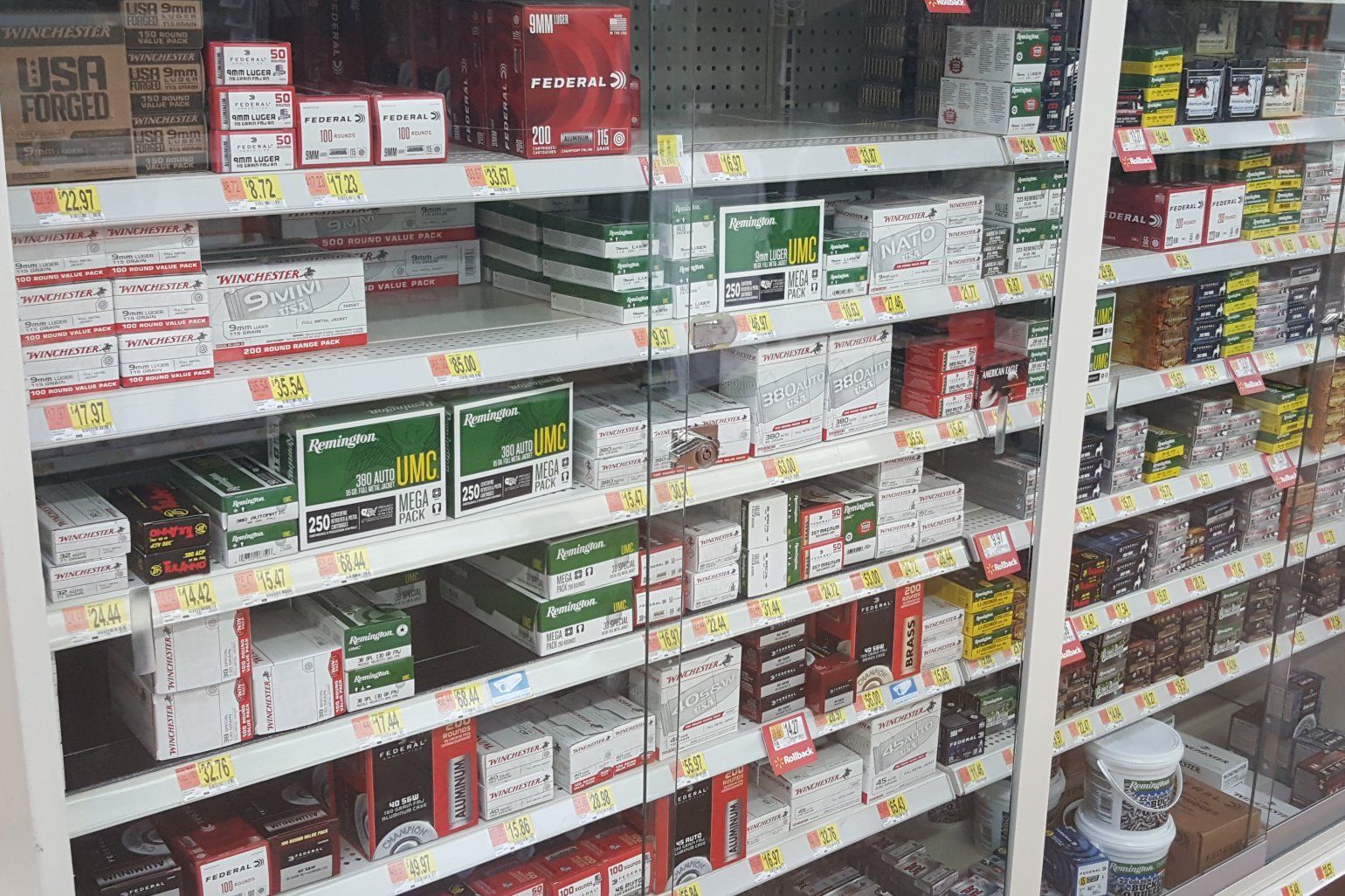
What Ammo Shooters Must Bring in 2026 Gregg Kielma 01/09/2026 1. Factory New, Brass Cased Ammunition Most ranges now require: • Brass cases only • No steel case • No steel core • No bi metal jackets Expect more magnet checks at the firing line. If a round sticks to a magnet, it’s likely not allowed. 2. Ammunition Within Posted Velocity Limits Ranges are increasingly enforcing: • No “hot” loads • No +P+ in certain calibers • No magnum rifle rounds unless the range is rated for them This protects berm integrity and reduces noise impact on surrounding communities. 3. No Tracer, Incendiary, or Armor Piercing Rounds Outdoor ranges — even those historically more flexible — are now banning: • Tracers • Incendiary rounds • Armor piercing projectiles These rounds pose fire risks and can penetrate berms beyond safe limits. 4. Original Packaging Required Shooters should bring: • Factory boxes • Visible labeling • Lot numbers This allows RSOs to verify ammo type quickly and prevents unsafe reloads from being passed off as factory rounds. 5. Reloads Only If Approved Some ranges still allow reloads, but with strict conditions: • They must be your own • They must be brass and non magnetic • They must meet posted velocity limits Many facilities, however, are moving to factory only policies for liability reasons. What This Means for Outdoor Ranges Outdoor ranges traditionally allowed: • Steel case • Bi metal • Higher velocity rifle rounds But in 2026, many are adopting rules similar to indoor facilities. Expect: • Brass only • Non magnetic bullets • No tracers • Velocity caps • Factory new only This shift ensures safer training environments and reduces the risk of fires, ricochets, and berm damage. How Tactical K Training and Firearms Helps You Stay Compliant At Tactical K Training, we stay ahead of regulatory and industry changes so our students don’t have to guess. Whether you’re attending a concealed carry class, a defensive pistol course, or a private training session, we’ll always provide clear guidance on: • Approved ammunition • Range specific requirements • Equipment checks • Safety protocols Kielma’s Parting Shot Our goal is simple: empower responsible gun owners with the knowledge and skills to train safely and confidently.
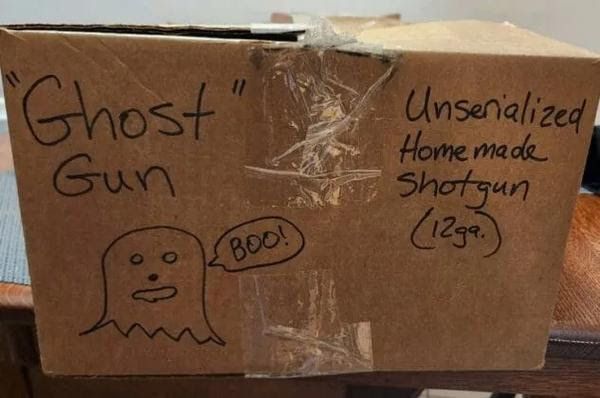
Ghost Guns: What Are They, and Are They Legal? Gregg Kielma 01/08/2026 My thoughts. I will not look at or deal with a firearm that do not have a serial number. I suggest to these clients you need to call the ATF for guidance. I do not and will not work with clients with GHOST Guns. The process is difficult. My policy. If it offends someone so, be it. Let’s Take a LOOK Privately made firearms—often called ghost guns—are weapons assembled by individuals from unfinished parts, kits, or 3D printed components. Traditionally, these firearms did not carry serial numbers and could be built without a background check, making it difficult for law enforcement to trace. This lack of traceability is what earned them the nickname “ghost guns.” In recent years, the federal government has taken significant steps to regulate these firearms. According to multiple legal analyses and Supreme Court updates, ghost guns are now treated much more like commercially manufactured firearms under federal law. The Supreme Court upheld an ATF rule requiring that key components—such as frames and receivers sold in kit form—must have serial numbers and can only be sold by licensed dealers who conduct background checks. This means that while it is still legal for individuals to build their own firearms for personal use, the parts and kits used to make them are now regulated. Purchasing a kit that can be “readily converted” into a functional firearm generally requires the same legal steps as buying a complete gun. In short: • Building your own firearm is still legal under federal law, as long as you are not prohibited from owning a firearm. • Ghost gun kits and unfinished receivers are now regulated, requiring serialization, licensed sales, and background checks. • State laws vary, and some states impose additional restrictions. Kielma's Parting Shot: For responsible gun owners, the key is to stay informed. As regulations evolve, understanding the legal landscape ensures you remain compliant while exercising your rights safely and responsibly. Gregg Kielma

What Legal Gun Owners Should Do When Crossing State Lines and Moving to Another State Gregg Kielma 01/08/2026 I talk about this in my classes. Know the laws and states you are traveling through and make good decisions. It's your duty to understand the laws before you travel. My thoughts and suggestions. Let's Take a LOOK Traveling with a firearm is completely legal for responsible gun owners — but the moment you cross a state line, the rules change. Every state has its own laws on possession, carry, transport, and reciprocity, and misunderstanding those laws can turn an ordinary road trip into a legal nightmare. A little preparation goes a long way toward staying safe and compliant. 1. Know the Federal “Safe Passage” R ule Federal law under the Firearm Owners Protection Act (FOPA) provides a safe passage provision for travelers. As long as the firearm is unloaded, locked away, and not readily accessible, you may legally pass through states where your firearm might otherwise be prohibited. This protection only applies to transport, not carry, and only when you are traveling from one lawful location to another. 2. Research Every State on Your Route State laws vary widely — from permitless carry to strict permit requirements. Some states honor your carry permit, while others do not. Guides that break down state-by-state rules emphasize that laws change frequently, so checking updated information before each trip is essential. 3. Follow Proper Transport Procedures When traveling through states where you cannot legally carry: • Unload the firearm • Store it in a locked case • Keep ammunition separate • Place both in an area not accessible to the driver (trunk or rear compartment) These steps align with federal transport requirements and help ensure compliance across jurisdictions. 4. Understand Reciprocity — Don’t Assume Even if your home state allows permitless carry, that does not mean other states do. Reciprocity agreements determine where your permit is valid, and these agreements change over time. Updated concealed carry guides stress the importance of verifying reciprocity before traveling. 5. Avoid Unnecessary Stops in Restrictive States FOPA protects you during continuous travel, but extended stops — such as overnight stays, sightseeing, or detours — may remove that protection. When in doubt, plan your route to minimize time spent in states with restrictive laws. 6. Document Everything Keep: • Your carry permit • Firearm documentation • Proof of destination (hotel reservation, training class, hunting license, etc.) This helps demonstrate lawful purpose if questioned. 7. When Moving to a New State, Learn the New Rules If you’re relocating, not just traveling, additional requirements may apply. Some states require registration, waiting periods, or specific transport rules for new residents. Kielma’s Parting Shot Crossing state lines with a firearm is absolutely manageable for responsible gun owners — it just requires preparation. Know the laws, secure your firearm properly, and verify reciprocity before you go. Responsible travel protects your rights, your safety, and your peace of mind.