


Gregory Kielma • January 20, 2026
Why Monitoring Your Blood Pressure Matters
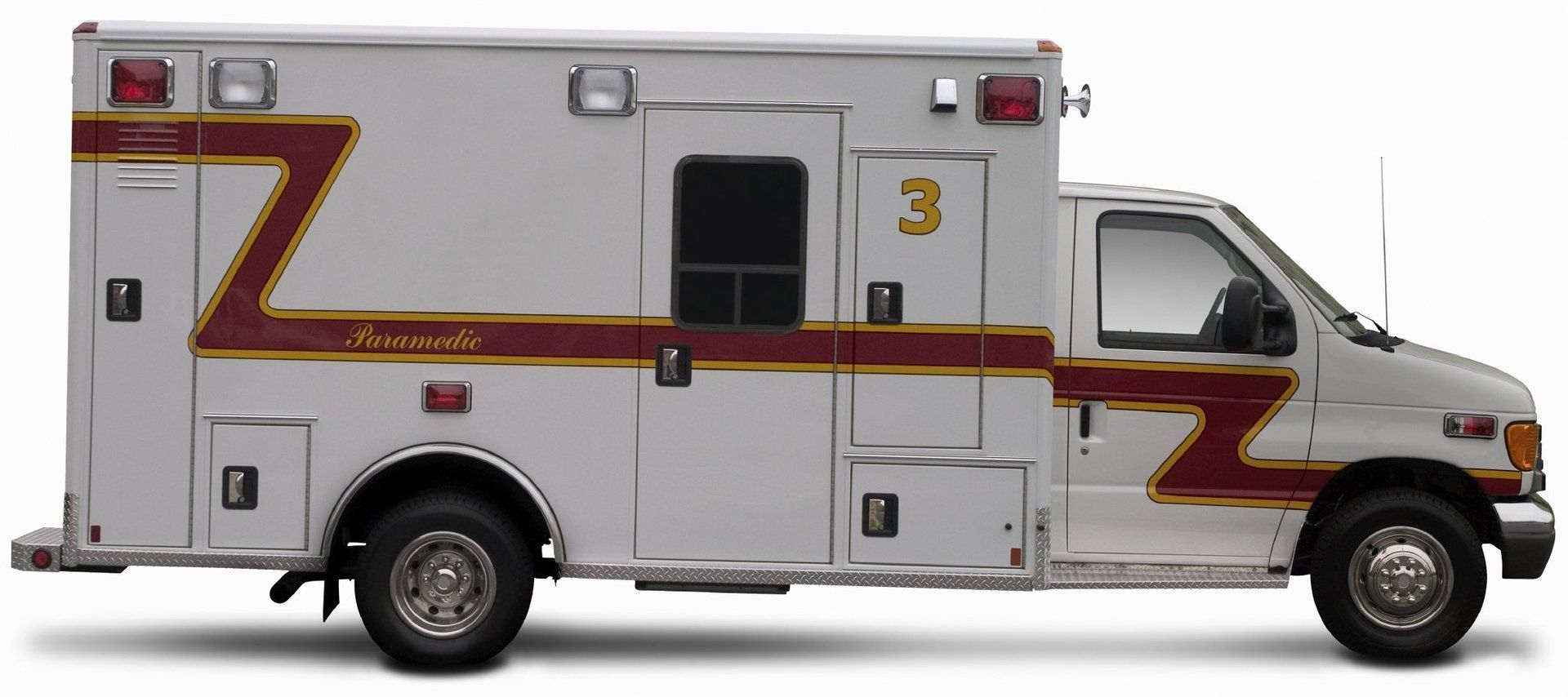
Why Monitoring Your Blood Pressure Matters
By Gregg Kielma
Tactical K Training and Firearms
01/20/2026
As an ERT Captain and certified instructor, I provide blood pressure checks, if wanted, during all my classes I offer. This has helped us detect clients with potentially serious heart issues they were unaware of. While not a physician, I can identify critical warning signs requiring further attention.
High blood pressure is often called the “silent threat” for a reason—it rarely shows symptoms, yet it can quietly damage your heart, blood vessels, kidneys, and brain over time. Regular monitoring is one of the simplest and most effective steps people can take to protect their long-term health.
Checking your blood pressure at home gives you real time insight into how your body responds to daily stress, diet, sleep, and activity. It helps you catch changes early, long before they turn into serious medical problems. For many people, home monitoring also provides more accurate readings than occasional doctor visits, since it removes the stress and pressure of the clinical environment.
Consistent tracking empowers you to make informed decisions about your lifestyle and health. It allows you to share accurate data with your healthcare provider, helping them tailor treatment, adjust medications, or recommend preventive steps. In short, monitoring your blood pressure isn’t just a habit—it’s a form of self-protection and early detection that can truly save lives.
Thank you for taking the time to read this and help save your life or others. If you have any questions, please let know.
Gregg Kielma

Ruger vs Beretta Mike Hardy 4/20/2026 Drama in the firearms industry is not unheard of, but it is fairly rare. Given the industry’s relatively smaller size, there just usually aren’t a lot of eyebrow-raising events that happen. However, that has changed recently with interactions between Ruger and Beretta. These two stalwart bastions of gun design and manufacture have not exactly come to blows, but there are developments raising some eyebrows. Let’s take a quick look at the situation. In September of 2025, Beretta – the oldest gun manufacturer in the world, since 1526 – acquired 7.7% of Sturm, Ruger & Co. stock and then bought more to up its total holdings to 9.95%. That number makes Beretta the largest single shareholder of Ruger stock. The “Poison Pill” In October 2025, Beretta purchased the extra shares as recounted above. That led Ruger to issue a “poison-pill defense”… there are different forms of that strategy, but they all boil down to making a hostile takeover more difficult and costly for the acquirer. In its initial federal disclosure, Beretta Holding said that it: Did not have a present intention of seeking control” of Ruger, but instead they claim that they simply want a “strategic minority interest” in order to reverse what it calls Ruger’s “deteriorating financial performance.” I’m not sure Ruger believed that, after they contended that “Beretta’s Chair “indicated a long-term plan to combine Ruger with Beretta, but made no formal proposal” at a December meeting. Earlier this year, negotiations between the two companies fell apart, and Ruger went public with details of what it called a “creeping takeover” by Beretta Holding. In a March 9 statement, Ruger stated that: “Beretta repeatedly demanded terms that would transfer value from other Ruger stockholders to Beretta and undermine Ruger’s status as an independent public company,” That statement included: “Specific demands like 25 percent of the company, discounted shares, a board appointee that could violate antitrust laws, and more. Beretta repeatedly advanced extreme demands and threatened to ‘go to war’ if those demands were not met. “Beretta’s scathing reply on March 10 addressed what it called Ruger’s breach of confidentiality by issuing “blatantly false and misleading statements.” Beretta insists it wants only to help Ruger as a minority investor.

Colorado Democrats Want to Regulate Gun Barrels Like Firearms — And It May Be Coming to Your State Next Scott Witner 4/20/2026 Colorado Senate Bill 26-043 would require background checks, dealer transfers, and five-year recordkeeping for the sale of a simple metal tube — a move critics say is a textbook step toward de facto disarmament. Colorado Democrats are pushing legislation that would regulate firearm barrels — the metal tube the bullet travels through — as if they were complete firearms. Under Senate Bill 26-043, selling or transferring a barrel to a fellow gun owner without routing it through a federally licensed dealer would be a crime, carrying up to 30 days in jail and a $500 fine on the first offense. This isn’t about suppressors, which are already federally regulated as NFA items. This isn’t about receivers. This is a barrel. A spare part that countless Colorado gun owners buy, sell, and swap without a second thought — and now legislators want the same paper trail you’d generate buying a complete firearm. The bill would require dealers to log the buyer’s name, address, phone number, date of birth, driver’s license number, the barrel’s make, model, and caliber, the transaction date, and the name of the employee who handled the sale — the same paper trail created when purchasing a complete gun. “The regulatory solution creates compliance burdens for 100% of law-abiding gun owners who make up the entire legitimate market for firearm barrels in the state.” The stated justification is ghost guns. Colorado banned so-called ghost guns in 2023, but legislators say criminals are now 3D-printing frames and other components and purchasing legal metal barrels online to build untraceable firearms. The problem with that logic? By the bill sponsor’s own account, ghost guns account for approximately 3% or less of firearms recovered from Colorado crime scenes. A 3% problem is being used to justify 100% compliance burdens on law-abiding residents. The Wyoming Loophole Denver resident Keith Emerson told the committee what anyone with a map already knows: a criminal who wants a barrel can simply drive a couple of hours to Wyoming and buy one without any Colorado paperwork whatsoever. The bill creates zero barrier for anyone willing to cross a state line, while creating new criminal exposure for every honest Coloradan who doesn’t. Anti-gunners’ answer to that argument, as always, is that Wyoming should be doing this too. It’s never the law that’s the problem — it’s everyone else’s freedom that needs to be curtailed. Perhaps the most troubling procedural detail: the bill contains a “safety clause” that designates it as emergency legislation. In Colorado, that designation exempts the bill from the citizen ballot initiative process. If SB 26-043 passes and Governor Polis signs it, there is no referendum — no direct democratic challenge by the people it would affect. It’s locked in. Death by a thousand regulations Colorado has added a new layer of gun control in every legislative session since 2019 — waiting periods, age restrictions raised to 21, ammunition purchase age requirements, extreme risk protection order expansions, detachable magazine permitting requirements, and now barrel regulation, alongside a companion bill that would ban 3D printing of gun parts and criminalize possession of even the digital instructions to print them. No single bill bans guns outright. But each year the regulatory web gets tighter, the cost of compliance grows, and the risk of innocent mistakes steepens. Map it across seven years, and the picture is unmistakable: this is how you disarm a population without ever using the word “ban.” You regulate. You criminalize transfers. You decide what counts as a gun. You do it one small, “common sense” step at a time until eventually, a lot of people just give up. “Colorado and the other 49 states are all policy laboratories — and the experiments that succeed, or fail depending on your perspective, will get exported to other states, as they always have.” Colorado gun owners should be contacting their state legislators now. And gun owners in every other state should be paying close attention, because what starts in one purple state rarely stays there.

Staying Safe at Home, Work or Your Business Gregg Kielma-Tactical K Training and Firearms 4/19/2026 Hello friends, family and business partners, my mission is to empower responsible citizens with the knowledge, skills, and mindset to stay safe every day. Through disciplined training, clear instruction, and a commitment to integrity, Tactical K Training & Firearms prepares individuals to protect themselves, their families, and their communities. I believe safety is a lifelong practice — one built on awareness, accountability, and never tiring of doing the right thing. Please, Never Tire of Staying Safe. At Tactical K Training & Firearms , I, Gregg Kielma teach responsible gun owners to build confidence, sharpen awareness, and protect what matters most through practical, real world training. Safety Isn’t a Phase, It’s a Lifestyle. My approach at Tactical K Training & Firearms reinforces the habits, skills, and mindset that keep you, your family, and your community safer every day. Kielma Parting Shot: Your Life, Family and Friends Are Worth The Effort. Through clear instruction, honest guidance, and real-world scenarios, Tactical K Training & Firearms helps responsible citizens stay prepared, stay aware, and stay confident. Gregg Kielma

!FLORIDA IS MY HOME! Gregg Kielma-Tactical K Training and Firearms 4/19/2026 Florida has been my home for 47 years, and throughout that time I've mostly experienced all of its positives. Here are some reasons why I truly enjoy living here. Sure, there are challenges—like the intense heat, hurricanes, bugs, and occasional overgrowth—but this place feels like home, and I wouldn't want to live anywhere else! !FLORIDA IS MY HOME! Let's Take a LOOK! 1. No State Income Tax Florida is one of the few states with zero state income tax, allowing residents to keep more of what they earn. This is especially attractive for retirees, remote workers, and high income earners. 2. Year Round Warm Weather With 230–250 sunny days per year and mild winters, Florida offers a climate that supports outdoor living all year long. 3. World Class Beaches Over 1,300 miles of coastline and award winning beaches like Siesta Key, Clearwater, and Pensacola make Florida a paradise for beach lovers. 4. Outdoor Recreation & Natural Beauty Boating, fishing, kayaking, hiking, paddleboarding, and exploring the Everglades—Florida’s biodiversity and outdoor lifestyle are unmatched. 5. Affordable Housing (Compared to Many States) While prices have risen, Florida still offers more affordable options than high cost states like California or New York, with many markets below the national median. 6. Lower Overall Cost of Living Beyond taxes, Florida’s cost of living remains competitive, especially in suburban and inland areas. 7. Cultural Diversity & Vibrant Communities Florida is one of the most diverse states in the U.S., with residents from every background, age group, and region. 8. Strong Job Market & Growing Economy Florida’s economy continues to expand, with opportunities in tourism, healthcare, logistics, tech, construction, and remote work. (Supported by tax advantages and population growth.) 9. Laid Back, Outdoor Focused Lifestyle Sunshine, beaches, parks, and waterfront living create a relaxed atmosphere that attracts families, retirees, and remote workers alike. 10. A Haven for Remote Workers Remote workers relocating from high tax states can save 10–13% of income annually simply by living in Florida—an enormous financial advantage. !I LOVE FLORIDA! Gregg Kielma

Owning and Training With A Firearm: Some People Just Don’t Understand Gregg Kielma-Tactical K Training and Firearms 4/18/2026 A coworker commented on a Tampa Bay shooting on 4/15/2026, blaming me for selling firearms in the community. The incident involved two suspects, one juvenile and one 18-year-old, who used a firearm during a dispute—exact reasons unknown. I always emphasize safety and responsible ownership in my classes as an FFL and Firearms Instructor. Below are my thoughts and tips for conversations with those who advocate relinquishing Second Amendment rights and firearms. Some coworkers, friends, or neighbors may be uneasy about us owning firearms not because of anything you or I have did wrong, but because they’re filtering the idea through their own experiences, fears, or misunderstandings. Many people only encounter firearms through news stories about crime or through entertainment that portray guns as inherently dangerous, so they instinctively associate ownership with risk rather than responsibility. Others may have grown up in households or communities where firearms were never part of normal life, so the idea feels foreign or intimidating. Another reason, some worry about safety simply because they don’t understand the layers of training, discipline, and legal responsibility that you practice every day. And in some cases, people project their own anxieties—about violence, about control, or about the world feeling unpredictable—onto anyone who chooses to own a firearm. None of this reflects your character or your professionalism. It reflects their lack of exposure to responsible ownership. Often, once people see the level of care, education, and integrity you bring to the subject, their discomfort softens because they finally understand the difference between a lawful, trained owner and the stereotypes they’ve been reacting to. Gregg Kielma

Why People Lie on the 4473 — and Why It Never Works By Gregg Kielma, FFL & Owner of Tactical K Training and Firearms 4/18/2026 As an FFL, I see a lot of things behind the counter that the average gun owner never thinks about. One of the most frustrating — and frankly baffling — behaviors is when someone decides to lie on an ATF Form 4473. Let me be clear: lying on a 4473 is a federal crime, and people still try it every single day across the country. I check everything. Every box, every detail, every ID, every answer. That’s my job, and I take it seriously. So why do people still lie on a form that is designed to catch them? My Thought: They think “just checking a box” doesn’t matter Some people convince themselves that the form is just paperwork and nobody really looks at it. They assume the background check is a formality and the 4473 is just a hoop to jump through. They don’t realize that the form is the background check — and the moment they lie, they’ve committed a felony. My Thought: They underestimate how thorough NICS really is People imagine NICS as a quick name search. In reality, it’s a national system tied into criminal history, mental health adjudications, restraining orders, immigration status, and more. If someone is prohibited, it will surface. And when the system flags a lie, it’s documented. My Thought: They think their past won’t catch up to them I’ve seen people with old charges, dismissed cases, or “sealed” records assume they’re in the clear. But federal law doesn’t forget. If someone is prohibited, the system knows — and lying on the form doesn’t erase the past. My Thought: Straw purchasers think they’re smarter than the system This is the most common lie: “I’m the actual buyer.” If someone is buying a gun for another person — especially someone prohibited — that’s a straw purchase. It’s one of the fastest ways to earn federal charges. And yes, the patterns are obvious. The ATF sees them. FFLs see them. It’s never subtle. My Thought: They assume the FFL won’t check or won’t care Not in my shop. Not ever. I check everything because it protects my license, my business, my community, and the integrity of responsible gun ownership. I’m not here to play games with federal paperwork. If something doesn’t look right, the sale stops. Period. My Thought: They, people don’t understand the consequences Many people don’t realize that lying on a 4473 can lead to: • Federal felony charges • Up to 10 years in prison • Fines up to $250,000 • Permanent loss of firearm rights • ATF investigation • State-level charges on top of federal ones And here’s the kicker: most people who lie don’t even get the gun. They walk away with nothing except a documented federal offense. Tactical K Training and Firearms: My message as an FFL I’m not here to judge anyone, it’s not my position to judge you. I’m here to run a lawful business and promote responsible firearm ownership. The 4473 isn’t optional. It isn’t a suggestion. It’s a legal document, and I treat it as such. If someone can legally own a firearm, the process is smooth. If they can’t, lying won’t change that — it only makes things worse. Kielma’s Parting Shot: Honesty on the 4473 protects everyone: the buyer, the seller, and the community. As an FFL who checks every detail, every time, I can say with confidence: lying on the form never works, and it’s never worth it. Gregg Kielma
Why Do Felons Want Guns—And How Do We Stop It Gregory Kielma, Tactical K Training and Firearms 04/18/2026 As a firearms instructor, an FFL, and someone who works every day with responsible, law‑abiding gun owners, I get asked a simple question that has a complicated truth behind it: Why do felons want guns in the first place? And more importantly, how do we stop them from getting them without punishing the people who follow the law? This is an issue that affects every community, every business, and every family. Understanding the “why” helps us build better solutions. Why Do Felons Seek Firearms? Felons—especially those with violent or repeat criminal histories—often pursue firearms for reasons that have nothing to do with self‑defense or lawful ownership. Common motivations include: Power and Intimidation Criminal activity often relies on leverage. A firearm gives someone with bad intentions the ability to threaten, coerce, or control others. Protection within Criminal Circles When someone is involved in illegal activity, they aren’t calling 911. They arm themselves because they expect violence from others in the same world. Financial Gain Firearms are a form of currency in the criminal ecosystem. They’re traded, stolen, and used to commit further crimes. Disregard for the law A person who has already shown a willingness to break the law is not suddenly going to respect firearm regulations. That’s why restrictions alone don’t stop them. None of these motivations have anything to do with responsible ownership, training, or personal protection. They’re rooted in criminal behavior—not citizenship. How Do We Stop It? The answer isn’t to burden the people who already follow the rules. Law‑abiding citizens aren’t the problem. The real solutions focus on criminal behavior, not lawful ownership. Target the illegal supply chain Felons don’t walk into gun stores. They get firearms through: Straw purchases Theft Black‑market trades Ghost gun trafficking Criminal networks My opinion, stopping this requires enforcement, not new restrictions on lawful buyers. Enforce existing laws consistently We already have strong federal laws—18 U.S.C. § 922(g) is clear. The problem is when violations aren’t prosecuted. When a felon is caught with a firearm, consequences must be real, predictable, and swift. Strengthen community reporting and awareness Most illegal firearms move through communities long before law enforcement sees them. Anonymous reporting, community partnerships, and education help cut off access early. Support responsible gun owners—not restrict them Trained, law‑abiding citizens: Store firearms securely Report theft immediately Understand transfer laws Keep firearms out of the hands of prohibited persons Empowering responsible owners is part of the solution. Invest in prevention, not punishment alone Some individuals re‑offend because they return to the same environment with no support. Programs that reduce recidivism—job training, counseling, and community reintegration—help shrink the pool of people seeking guns for the wrong reasons. Kielma's Parting Shot Felons want guns for criminal purposes, not for the reasons responsible citizens own them. Stopping them requires: Strong enforcement Cutting off illegal supply chains Community involvement Supporting lawful gun owners Reducing repeat criminal behavior At Tactical K Training and Firearms, I teach that responsible ownership is the backbone of community safety. When we focus on the real problem—criminal access, not lawful access—we protect our rights and our neighborhoods at the same time. Gregg Kielma

Visalia Californina Felon Indicted for Possessing Safe Full of Firearms Thursday, April 16, 2026 U.S. Attorney's Office, Eastern District of California FRESNO, Calif. — A federal grand jury returned an indictment against Pete Alvarez, 45, of Visalia, charging him with being a felon in possession of a firearm, U.S. Attorney Eric Grant announced. According to court documents, during an investigation into a shooting, law enforcement officers executed a search warrant of Alvarez’s residence. There, they located a safe in Alvarez’s bedroom with 17 firearms, including several short-barrel firearms without serial numbers that were in the process of being manufactured. Alvarez is prohibited from possessing firearms or ammunition because of prior felony convictions in Fresno County including, assault with a deadly weapon, receiving stolen property, being a felon in possession of a firearm, battery causing serious injury, and assault with a deadly weapon. The Bureau of Alcohol, Tobacco, Firearms and Explosives; the Fresno Police Department; and the Tulare Police Department are conducting the investigation. Assistant U.S. Attorney Robert Veneman-Hughes is prosecuting the case. If convicted, Alvarez faces a maximum sentence of 15 years in prison and a $250,000 fine. Any sentence, however, would be determined at the discretion of the court after consideration of any applicable statutory factors and the federal Sentencing Guidelines, which take into account a number of variables. The charges are only allegations; the defendant is presumed innocent until and unless proven guilty beyond a reasonable doubt. This case is part of Operation Take Back America, a nationwide initiative that marshals the full resources of the Department of Justice to repel the invasion of illegal immigration, achieve the total elimination of cartels and transnational criminal organizations, and protect our communities from the perpetrators of violent crime. Updated April 16, 2026
Gun Store Owner Indicted for Aiding and Abetting Straw Purchasing and Failing to Report Cash Payments Over $10,000 Wednesday, April 15, 2026 U.S. Attorney's Office, District of Arizona PHOENIX, Ariz. – The owner of Virtus Armament and The Armory, Virtus Armament, a federal firearms licensee (FFL), was indicted last week on charges related to aiding and abetting straw purchases of firearms and failing to report cash transactions over $10,000. On April 8, a federal grand jury in Phoenix returned an 8-count indictment against Esteban Yanez, 34, of Gilbert, Arizona, for False Statement During the Purchase of a Firearm, Straw Purchasing of Firearms, and Failure to File Forms 8300 Relating to Cash Received in Trade or Business. Yanez was arraigned April 14. The indictment alleges that on three occasions, Yanez aided and abetted individuals who knowingly made false statements to Yanez’s FFL when submitting the ATF Form 4473, misrepresenting the actual purchaser of the firearms. In two instances, the firearms were being purchased for an individual convicted of a felony. Federal law prohibits felons from possessing firearms. Finally, Yanez is also alleged to have failed to file the IRS Form 8300, reporting the receipt of over $10,000 in a trade or business, related to the sale of firearms. A conviction for False Statement During the Purchase of a Firearm carries a maximum penalty of 5 years in prison, a fine of up to $250,000, or both. A conviction for Straw Purchasing of Firearms carries a maximum penalty of 15 years in prison, a fine of up to $250,000, or both. A conviction for Failure to File Forms 8300 Relating to Cash Received in Trade or Business carries a maximum penalty of 10 years in prison, a fine of up to $500,000, or both. The Bureau of Alcohol, Tobacco, Firearms and Explosives conducted the investigation. The U.S. Attorney’s Office, District of Arizona, Phoenix, is handling the prosecution. An indictment is a formal accusation of criminal conduct. All defendants are presumed innocent until proven guilty beyond a reasonable doubt in a court of law. CASE NUMBER: 26-CR-00326 RELEASE NUMBER: 2026-062_Yanez

How to Protect Ourselves From Potential Foreign Backed Threats in a Responsible, Safety Focused Way Gregg Kielma-Tactical K Training and Firearms 4/17/2026 Protecting ourselves from any organized threat — whether foreign backed, criminal, or extremist — starts with the same principles you already teach: awareness, layered security, and calm, informed action. The goal is not to hunt for “sleeper cells,” but to make it harder for any malicious actor to exploit vulnerabilities in our homes, businesses, or communities. At the personal level, the most effective protection comes from sharpening situational awareness: noticing unusual surveillance, unfamiliar vehicles lingering repeatedly, or individuals probing for information about routines, access points, or security measures. These aren’t signs of a specific group — they’re universal pre incident indicators. Strengthening digital hygiene is equally important, since foreign backed actors often exploit online vulnerabilities long before physical ones. Using strong authentication, monitoring accounts for unusual activity, and being cautious with unsolicited messages reduces the risk of being targeted or manipulated. At the community level, staying connected is one of the strongest defenses. Sharing information with neighbors, local businesses, and trusted community groups helps everyone spot patterns that a single person might miss. If something genuinely concerning appears — such as attempts to acquire restricted materials, suspicious photography of critical infrastructure, or probing questions about security — reporting it to local law enforcement or federal tip lines is the correct and lawful step. These agencies are trained to evaluate threats without bias and without putting innocent people at risk. Finally, preparedness matters. Having emergency plans, medical kits, communication backups, and basic readiness ensures that if any kind of attack or disruption occurs — whether foreign backed, criminal, or domestic — you and your family can respond quickly and confidently. The goal is resilience, not fear: building layers of protection that work against any threat, known or unknown, while maintaining respect for the diverse, law abiding people who make up our communities. Gregg Kielma


