


Gregory Kielma • December 17, 2025
Crossing State Lines With a Firearm: What to Know and Please Check The Locations You Are Traveling To. Ignorance is NOT An EXCUSE
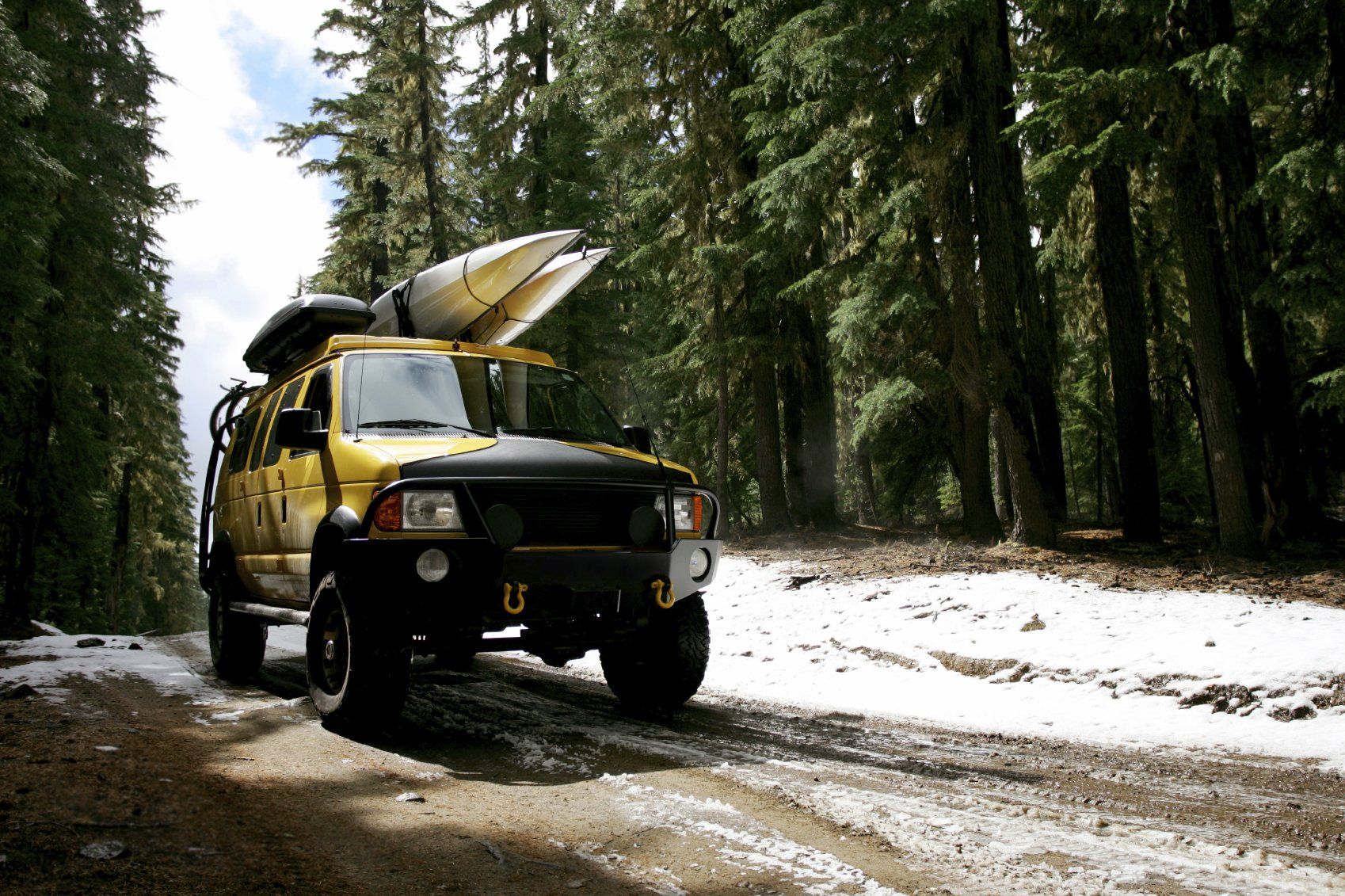
Crossing State Lines With a Firearm: What to Know. Please Check The Locations You Are Traveling To. Ignorance
is NOT An EXCUSE!!!!! Let's Take a LOOK
Gregg Kielma
Legal Gun Owners:
Things You Must Never Do While Traveling Across State Lines
Traveling with firearms across state lines requires close attention to federal and state laws on possession, storage, and carry. Mistakes can lead to loss of protection, criminal charges, or confiscation. Knowing local requirements and permit reciprocity helps gun owners avoid violations while driving or flying.
Traveling with a loaded firearm in the vehicle
Carrying a loaded firearm in a passenger area violates federal travel rules, which require guns to be unloaded, locked, and out of reach. Many states consider loaded guns in glove boxes or consoles illegal, even for permit holders. Unsecured firearms increase risks and legal penalties; storing them in a locked case away from occupants meets federal and local requirements for interstate travel.
Assuming your gun is legal in every state you enter
A firearm permitted at home may be restricted in other states due to differing laws on calibers, magazines, or features. Some states prohibit certain guns regardless of permits. Legal experts caution that entering a stricter state can make possession illegal. Always verify legality in both origin and destination, as safe passage rules require the gun to be lawful in both.
Believing your concealed carry permit is valid everywhere
Permit reciprocity is not universal; several states do not acknowledge out-of-state permits. Law enforcement officials emphasize that presuming recognition may inadvertently result in unlawful carry charges. Each state establishes unique qualification standards, training protocols, and lists of approved permits. Prior to travel, responsible firearm owners consult each state's reciprocity lists and familiarize themselves with restrictions related to carrying loaded or concealed firearms. Neglecting this due diligence can lead to immediate legal consequences, even if the firearm is otherwise legally owned and transported.
Keeping ammunition in the same accessible space as the firearm
Federal guidelines require storing firearms and ammunition separately when traveling across state lines. Keeping them together within reach can violate legal protections and appear unlawful. Use locked cases outside passenger access for compliance and safety. Proper storage shows responsibility and helps ensure smooth interactions with law enforcement. Storing ammunition correctly is as vital as storing firearms.
Making unnecessary detours or extended stops in restrictive states
Safe travel laws only protect direct transit; stopping in states with strict firearm rules makes travelers subject to local possession laws, risking immediate legal issues. Continuous travel preserves federal protection, so planning routes avoids jurisdictions with tighter regulations.
Using cases that are not securely locked or durable
Transporting firearms in unlocked or flimsy cases does not meet federal standards. Experts advise using hard-sided, locked cases to prevent unauthorized access and ensure safety. Soft bags can be seen as unsafe and may cause legal or safety issues during inspections.
Traveling with firearms that have altered or missing serial numbers
It is illegal to possess or transport firearms with defaced or unreadable serial numbers, regardless of ownership. Even accidental possession can lead to serious charges, and many states impose extra penalties for transporting such weapons. Always check that firearm serial numbers are intact and visible before travel to avoid violating regulations.
Ignoring magazine or feature restrictions in certain states
Some states limit magazine size or feature like folding stocks and threaded barrels. Transporting restricted components can lead to violations, even with proper storage. Review state restrictions before traveling, as prohibited magazines or accessories may result in confiscation or legal action. Understanding these rules helps ensure compliance with varying firearm equipment regulations.
Relying on federal law without checking local ordinances
Federal regulations set basic standards for firearm transport, but many states and cities have stricter rules for storage, possession, and transit. Legal experts note that local laws may differ from state laws, creating risks of unintentional violations. It is important to research all applicable regulations before traveling to avoid penalties and ensure smooth travel.
Shipping firearms improperly across state lines
Federal law states that most firearms sent across state borders must go through licensed dealers. Sending a handgun directly to someone else is against these laws and can lead to serious penalties. Experts suggest double-checking how to package, what carriers allow, and the rules at the destination before mailing any gun. By following these proper steps, you help ensure safe handling and stay within the regulations designed to protect interstate commerce. Responsible gun owners always use approved methods (FFL’s) to avoid accidentally breaking federal shipping and transfer laws.

About Edward Bailey: Why We Should Support Edward Bailey for Manatee County Commissioner, District 2
Why We Should Support Edward Bailey for Manatee County Commissioner, District 2
John Dunn: A Grassroots Candidate Enters the Manatee County Commission Race

DOJ Announces Rulemaking Package Aimed At Protecting Second Amendment Freedoms

Why Every Home Should Have a Firearm for Personal Protection

3d Printed Firearms What are They and Are they Legal? Let's take a look


Being Prepared for the 2026 Hurricane Season By Gregory Kielma, Tactical K Training & Firearms The 2026 Hurricane Season is shaping up to be another year where preparation isn’t optional it’s essential. Florida has seen record heat, rising insurance pressures, rapid population growth, and increasingly unpredictable storm behavior. None of that is meant to create fear. It’s meant to reinforce a simple truth: preparedness gives you control, confidence, and options when the weather turns. Whether you’re protecting a home, a business, or a family, the goal is the same build layers of readiness before the first storm forms. Start With Awareness and a Plan Storms don’t give you time to “figure it out later.” Your plan should be written, practiced, and known by everyone in the household or workplace. Key elements of a solid plan: Where will you go if evacuation becomes necessary Multiple routes out of your area A communication plan if cell networks fail A designated out‑of‑state contact A plan for pets, elderly family members, and anyone with medical needs For businesses, include: Who secures the building Who handles digital backups Who communicates closures and reopening A plan removes panic. It replaces it with action. Strengthen Your Home or Business Before the First Storm Florida structures take a beating every year. Small improvements now prevent major losses later. Exterior protection: Inspect your roof for loose shingles or soft spots Clear gutters and drainage paths Trim trees and remove dead limbs Install or test shutters Reinforce garage doors—one of the most common failure points Interior protection: Surge protection for critical electronics Elevate valuables and important documents Know how to shut off water, power, and gas If you own a business, walk your property as if you were a storm: What can break? What can blow away? What can flood? Fix those points now. Build a Realistic, Usable Supply Kit For Your Home or Business A hurricane kit isn’t about stockpiling, it’s about independence. After a major storm, help may take hours or days to reach your area. For homes and families: Water: 1 gallon per person per day (minimum 3–7 days) Non‑perishable food Medications and medical supplies Flashlights, headlamps, and batteries Battery bank for phones First aid kit Copies of important documents Cash in small bills Tools, gloves, tarps, duct tape For businesses: Backup power for essential systems Printed employee contact lists Hard copies of insurance documents A plan for securing inventory and equipment Preparedness isn’t about fear it’s about not being dependent on luck. Protect Your Digital Life In 2026, digital readiness is just as important as physical readiness. Back up important files to the cloud and an external drive Photograph your home, business, and valuables for insurance Store digital copies of IDs, insurance policies, and receipts Keep chargers, power banks, and a small solar panel if possible When the power goes out, your digital preparation keeps you moving. Understand Post‑Storm Safety Most injuries happen after the storm, not during it. Be cautious with: Downed power lines Flooded roads Carbon monoxide from generators Unstable structures Contaminated water If you evacuated, don’t rush home. Wait for official clearance. Your safety comes first. Mindset: Prepared, Not Paranoid Preparedness is a discipline, not a reaction. It’s the same mindset we teach in every Tactical K class awareness, planning, and responsible action. A hurricane is a natural event. Your response is a choice. When you prepare early, you protect: Your family Your property Your business Your peace of mind And you set an example for your community. Kielma’s Parting Shot The 2026 Hurricane Season will bring challenges, just like every season. But Floridians are resilient, and preparation is part of our way of life. Start now. Strengthen your home, your business, and your plan. Build your layers of safety before the first storm forms. If you need help building a plan, creating a checklist, or preparing your family or business, Tactical K Training is here to support you with practical, real‑world guidance.

Why You Should Never Travel Through High Water
Convicted Felon Sentenced to 87 Months in Trafficking Nine Firearms, Including to Buyer Who Said He Was ‘At War’ Thursday, April 30, 2026 U.S. Attorney's Office, District of Columbia WASHINGTON - Brandon Smith, 34, a previously convicted felon residing in the District of Columbia, was sentenced today in U.S. District Court to 87 months in prison for conspiring to traffic at least nine firearms to a prohibited buyer over the course of six months, announced U.S. Attorney Jeanine Ferris Pirro. “Brandon Smith was already on supervised probation for a violent felony when he chose to traffic firearms, and he continued even after being told the buyer intended to use them for violence,” said U.S. Attorney Pirro. “Over the course of six months, he arranged the sale of at least nine guns—including one with an obliterated serial number—to a prohibited individual. This was not a momentary lapse in judgment, but a sustained and deliberate effort to arm someone who could not legally possess firearms. My office remains committed to holding accountable those who endanger our communities by trafficking illegal guns.” On Jan. 9, 2026, Smith pleaded guilty before Judge Howell to conspiracy to commit trafficking in firearms. In addition to the 87-month prison term, Judge Howell ordered Smith to serve three years of supervised release. Federal prosecutors had requested a 108-month prison term. According to court papers, beginning in November 2023, ATF opened an investigation after a confidential source reported that Smith, then on supervised probation for a violent felony, was actively advertising firearms for sale by texting photographs of guns to prospective buyers, including individuals with prior felony convictions. During the next six months, Smith sold or arranged the sale of nine firearms to a buyer on six separate occasions. During the transactions, Smith sold his own personal carry firearm on multiple occasions when a supplier failed to deliver, then purchased a replacement for himself afterward. In early January 2024, as Smith and the buyer discussed an upcoming transaction, the buyer told Smith he needed the firearms because he was “at war” after his cousin had been killed. Smith proceeded with the sale. The buyer had also told Smith he was serving a criminal justice sentence at the time of the transactions. Smith acknowledged that he, too, was “on papers.” Smith arranged a total of six transactions from Nov. 30, 2023, through May 30, 2024, resulting in the sale of nine firearms. At least one of the firearms had its serial number obliterated. On Oct. 26, 2024, MPD officers conducted a traffic stop on the 1600 block of 16th Street SE and found Smith in the front passenger seat of a parked vehicle. Officers observed open containers of alcohol and discovered a satchel at his feet. Inside the satchel, in plain view, was a loaded Glock Model 19X 9mm handgun with a round in the chamber and 16 additional rounds in the magazine. The bag also contained a bank card and government-issued identification in Smith’s name. Smith has prior convictions for Simple Assault (2011), Attempted Robbery (2013), and Robbery and Possession of a Firearm during a Crime of Violence (2016), for which he was sentenced to five years in prison. He was serving a term of supervised probation from the 2016 conviction at the time of the firearms trafficking conspiracy. This investigation was conducted by the Bureau of Alcohol, Tobacco, Firearms and Explosives Washington Field Office, and the Metropolitan Police Department. The matter was prosecuted by Special Assistant U.S. Attorney Brendan M. Horan. Convicted Felon Sentenced to 87 Months in Trafficking


