Gregory Kielma • February 1, 2026
The Top 10 Pistols Made in America
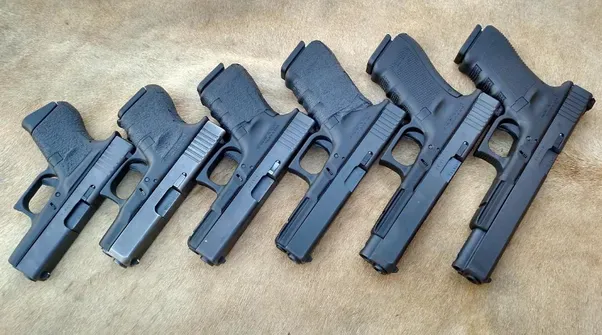
The Top 10 Pistols Made in America
By Gregg Kielma, Tactical K Training and Firearms
As an instructor and lifelong student of firearms, I’ve had the privilege of working with pistols from every corner of the industry. But there’s something special about American made handguns — the engineering, the innovation, and the pride that goes into each design. Whether for concealed carry, home defense, competition, or professional use, the United States produces some of the finest pistols in the world.
These are the top 10 American made pistols that consistently stand out in performance, reliability, and real-world practicality.
1. Glock 42/43/47 (Georgia)
While Glock is Austrian by origin, many of its most popular models are manufactured right here in America. The slimline 42 and 43 are outstanding for concealed carry, and the 47 brings duty grade performance with Glock’s signature simplicity and reliability.
2. Smith & Wesson M&P Series (Massachusetts / Tennessee)
The M&P line has earned its place as one of the most trusted platforms in law enforcement and civilian carry. With excellent ergonomics, modularity, and a proven track record, the M&P series delivers reliability you can stake your life on.
3. SIG Sauer P320 (New Hampshire)
The P320’s modular fire control unit changed the industry. Its adaptability, accuracy, and clean trigger make it a favorite among professionals — and its selection as the U.S. military’s M17/M18 platform speaks volumes.
4. Ruger American Pistol (North Carolina / New Hampshire)
Ruger’s American Pistol is built like a tank. With a robust chassis system, excellent recoil management, and rugged construction, it’s a dependable option for shooters who want durability above all else.
5. Kimber 1911 Series (Alabama)
Kimber produces some of the finest production 1911s available. Their attention to detail, crisp triggers, and tight tolerances make them a favorite for shooters who appreciate classic American craftsmanship.
6. Springfield Armory 1911 (Illinois)
Springfield’s 1911 lineup blends tradition with modern enhancements. From entry level models to high end custom shop builds, these pistols offer exceptional accuracy and a timeless feel.
7. Colt Government Model 1911 (Connecticut)
The original American fighting pistol. Colt’s 1911 remains a benchmark for reliability and heritage. For many shooters — myself included — it represents the foundation of modern handgun design.
8. Staccato 2011 Series (Texas)
Staccato pistols have become the gold standard in duty grade performance. Their 2011 platform offers unmatched shootability, fast follow up shots, and competition level accuracy in a defensive ready package.
9. Walther PDP (Arkansas)
Walther’s U.S. produced PDP has one of the best striker fired triggers on the market. Its ergonomics and optics ready design make it a top choice for shooters who want precision without sacrificing comfort.
10. FN 509 Series (South Carolina)
Built to compete in the U.S. Army’s handgun trials, the FN 509 is rugged, reliable, and combat proven. FN’s American manufacturing facility produces some of the most durable pistols available today.
Kielma’s Parting Shot
As an instructor, I always remind students that the “best” pistol is the one that fits your hand, your purpose, and your level of training. But these ten American made pistols consistently rise to the top because they combine engineering excellence with real world reliability.
Whether you’re a new gun owner or a seasoned shooter, investing in a quality American made pistol is a decision you can feel confident about — and at Tactical K Training and Firearms, we’re here to help you make that choice with knowledge, skill, and responsibility.

Being Prepared for the 2026 Hurricane Season By Gregory Kielma, Tactical K Training & Firearms The 2026 Hurricane Season is shaping up to be another year where preparation isn’t optional it’s essential. Florida has seen record heat, rising insurance pressures, rapid population growth, and increasingly unpredictable storm behavior. None of that is meant to create fear. It’s meant to reinforce a simple truth: preparedness gives you control, confidence, and options when the weather turns. Whether you’re protecting a home, a business, or a family, the goal is the same build layers of readiness before the first storm forms. Start With Awareness and a Plan Storms don’t give you time to “figure it out later.” Your plan should be written, practiced, and known by everyone in the household or workplace. Key elements of a solid plan: Where will you go if evacuation becomes necessary Multiple routes out of your area A communication plan if cell networks fail A designated out‑of‑state contact A plan for pets, elderly family members, and anyone with medical needs For businesses, include: Who secures the building Who handles digital backups Who communicates closures and reopening A plan removes panic. It replaces it with action. Strengthen Your Home or Business Before the First Storm Florida structures take a beating every year. Small improvements now prevent major losses later. Exterior protection: Inspect your roof for loose shingles or soft spots Clear gutters and drainage paths Trim trees and remove dead limbs Install or test shutters Reinforce garage doors—one of the most common failure points Interior protection: Surge protection for critical electronics Elevate valuables and important documents Know how to shut off water, power, and gas If you own a business, walk your property as if you were a storm: What can break? What can blow away? What can flood? Fix those points now. Build a Realistic, Usable Supply Kit For Your Home or Business A hurricane kit isn’t about stockpiling, it’s about independence. After a major storm, help may take hours or days to reach your area. For homes and families: Water: 1 gallon per person per day (minimum 3–7 days) Non‑perishable food Medications and medical supplies Flashlights, headlamps, and batteries Battery bank for phones First aid kit Copies of important documents Cash in small bills Tools, gloves, tarps, duct tape For businesses: Backup power for essential systems Printed employee contact lists Hard copies of insurance documents A plan for securing inventory and equipment Preparedness isn’t about fear it’s about not being dependent on luck. Protect Your Digital Life In 2026, digital readiness is just as important as physical readiness. Back up important files to the cloud and an external drive Photograph your home, business, and valuables for insurance Store digital copies of IDs, insurance policies, and receipts Keep chargers, power banks, and a small solar panel if possible When the power goes out, your digital preparation keeps you moving. Understand Post‑Storm Safety Most injuries happen after the storm, not during it. Be cautious with: Downed power lines Flooded roads Carbon monoxide from generators Unstable structures Contaminated water If you evacuated, don’t rush home. Wait for official clearance. Your safety comes first. Mindset: Prepared, Not Paranoid Preparedness is a discipline, not a reaction. It’s the same mindset we teach in every Tactical K class awareness, planning, and responsible action. A hurricane is a natural event. Your response is a choice. When you prepare early, you protect: Your family Your property Your business Your peace of mind And you set an example for your community. Kielma’s Parting Shot The 2026 Hurricane Season will bring challenges, just like every season. But Floridians are resilient, and preparation is part of our way of life. Start now. Strengthen your home, your business, and your plan. Build your layers of safety before the first storm forms. If you need help building a plan, creating a checklist, or preparing your family or business, Tactical K Training is here to support you with practical, real‑world guidance.

Why You Should Never Travel Through High Water
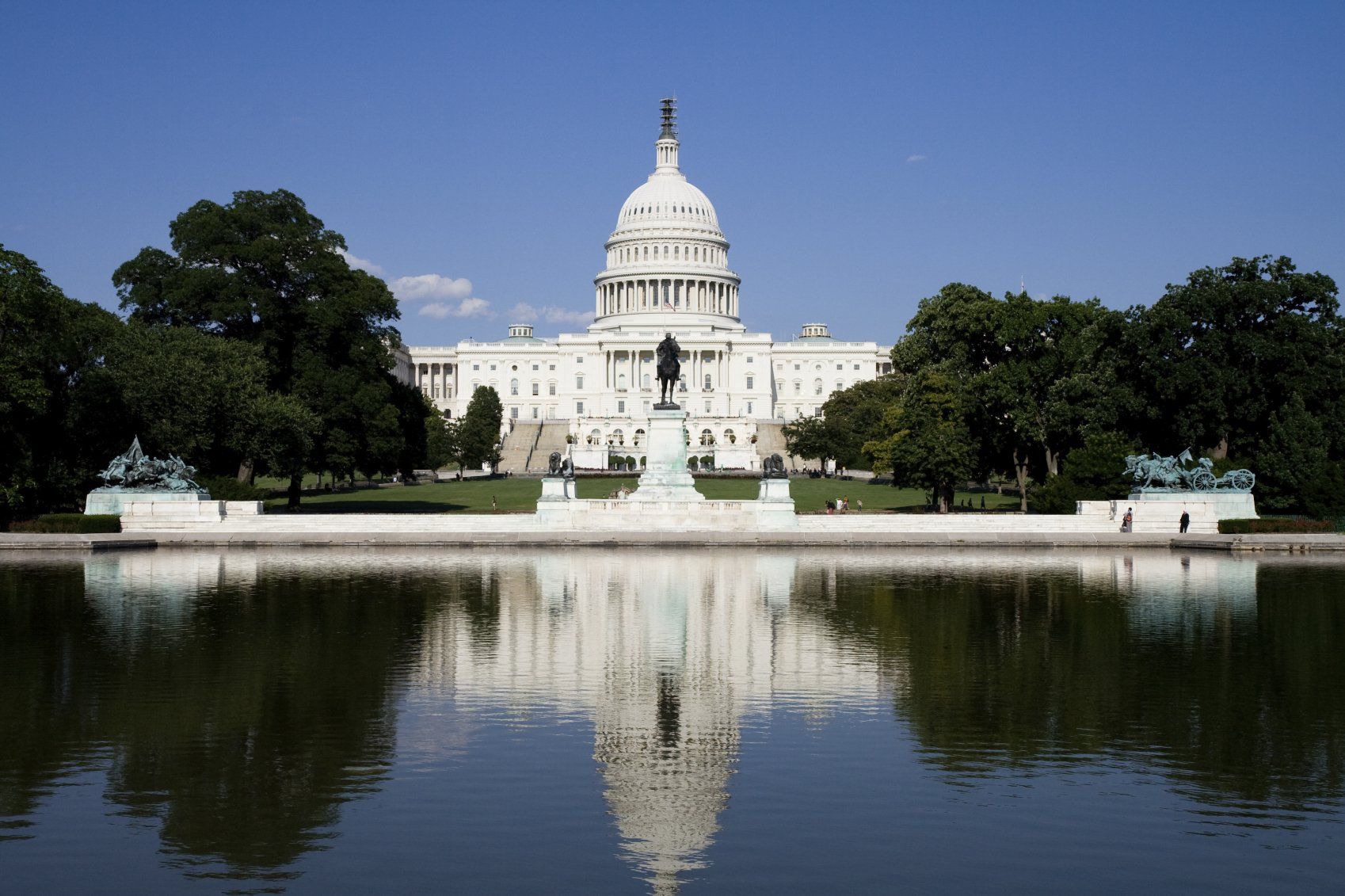
Convicted Felon Sentenced to 87 Months in Trafficking Nine Firearms, Including to Buyer Who Said He Was ‘At War’ Thursday, April 30, 2026 U.S. Attorney's Office, District of Columbia WASHINGTON - Brandon Smith, 34, a previously convicted felon residing in the District of Columbia, was sentenced today in U.S. District Court to 87 months in prison for conspiring to traffic at least nine firearms to a prohibited buyer over the course of six months, announced U.S. Attorney Jeanine Ferris Pirro. “Brandon Smith was already on supervised probation for a violent felony when he chose to traffic firearms, and he continued even after being told the buyer intended to use them for violence,” said U.S. Attorney Pirro. “Over the course of six months, he arranged the sale of at least nine guns—including one with an obliterated serial number—to a prohibited individual. This was not a momentary lapse in judgment, but a sustained and deliberate effort to arm someone who could not legally possess firearms. My office remains committed to holding accountable those who endanger our communities by trafficking illegal guns.” On Jan. 9, 2026, Smith pleaded guilty before Judge Howell to conspiracy to commit trafficking in firearms. In addition to the 87-month prison term, Judge Howell ordered Smith to serve three years of supervised release. Federal prosecutors had requested a 108-month prison term. According to court papers, beginning in November 2023, ATF opened an investigation after a confidential source reported that Smith, then on supervised probation for a violent felony, was actively advertising firearms for sale by texting photographs of guns to prospective buyers, including individuals with prior felony convictions. During the next six months, Smith sold or arranged the sale of nine firearms to a buyer on six separate occasions. During the transactions, Smith sold his own personal carry firearm on multiple occasions when a supplier failed to deliver, then purchased a replacement for himself afterward. In early January 2024, as Smith and the buyer discussed an upcoming transaction, the buyer told Smith he needed the firearms because he was “at war” after his cousin had been killed. Smith proceeded with the sale. The buyer had also told Smith he was serving a criminal justice sentence at the time of the transactions. Smith acknowledged that he, too, was “on papers.” Smith arranged a total of six transactions from Nov. 30, 2023, through May 30, 2024, resulting in the sale of nine firearms. At least one of the firearms had its serial number obliterated. On Oct. 26, 2024, MPD officers conducted a traffic stop on the 1600 block of 16th Street SE and found Smith in the front passenger seat of a parked vehicle. Officers observed open containers of alcohol and discovered a satchel at his feet. Inside the satchel, in plain view, was a loaded Glock Model 19X 9mm handgun with a round in the chamber and 16 additional rounds in the magazine. The bag also contained a bank card and government-issued identification in Smith’s name. Smith has prior convictions for Simple Assault (2011), Attempted Robbery (2013), and Robbery and Possession of a Firearm during a Crime of Violence (2016), for which he was sentenced to five years in prison. He was serving a term of supervised probation from the 2016 conviction at the time of the firearms trafficking conspiracy. This investigation was conducted by the Bureau of Alcohol, Tobacco, Firearms and Explosives Washington Field Office, and the Metropolitan Police Department. The matter was prosecuted by Special Assistant U.S. Attorney Brendan M. Horan. Convicted Felon Sentenced to 87 Months in Trafficking

Husband and Wife, and a Third Individual Charged with Firearms Trafficking

33 U.S. House Members Urge Trump To Restore Gun Rights, Name A Pro-2A AG
Maryland Pistol Ban Faces Backlash From Firearms Industry

Lake City Strike Enters Week Three—Here’s What It Means

Marijuana and The Law: The Laws are Changing But When and How? Gregg Kielma 4/27/2026 Many people are confused about how marijuana use interacts with federal firearm law, especially as more states legalize cannabis. Under federal statute 18 U.S.C. § 922(g)(3), anyone who is an unlawful user of a controlled substance is prohibited from possessing firearms or ammunition, and marijuana remains a Schedule I controlled substance, for now, under federal law even in states where it’s legal. That means regular, ongoing marijuana use can place someone in a prohibited category, though recent ATF rule changes require evidence of consistent, current use rather than a single incident. At the same time, courts are actively reviewing how this law applies, and the Supreme Court is considering cases that challenge whether the federal ban is constitutional when applied to marijuana users. The legal landscape is evolving and enforcement varies, concerns about someone’s behavior are best handled by focusing on safety, communication, and lawful reporting of specific dangerous actions—not assumptions about their private habits. If someone is acting in a way that poses an immediate threat to themselves or others, contacting local authorities to report the behavior—not their status—is the appropriate and lawful step. Gregg Kielma

Gun Rights Group Files Brief To Rebut DOJ’s Misleading Arguments In NFA Challenge Mark Chesnut Arguments by the Trump Administration’s Department of Justice for continuing the registration portion of the National Firearms Act (NFA) now that the tax has been eliminated have drawn the ire of a major gun-rights group. Congress killed the $200 tax on suppressors, short-barreled rifles (SBRs), short-barreled shotguns (SBSs), and any other weapons (AOWs) when it passed President Donald Trump’s One Big Beautiful Bill last summer. Gun-rights groups immediately filed a handful of lawsuits challenging the remainder of the NFA, and the DOJ is unexpectedly fighting those lawsuits, despite the administration’s promise to battle anti-Second Amendment laws. In one of the cases, Brown v. ATF, the Second Amendment Foundation (SAF) recently filed a supplemental reply brief countering the federal government’s arguments in support of the NFA. “This reply brief gave us the perfect opportunity to rebut the government’s arguments in support of the NFA,” Bill Sack, SAF director of legal operations, said in a news release announcing the filing. “We were encouraged the court requested targeted supplemental briefing that addressed key elements of the proper Second Amendment analysis. In our principle brief, we laid out in detail why the answer to every question posed supported our position. And now with this reply brief, we have driven home the point and dismantled each of the government’s arguments to the contrary.” In the brief, FPC argued that the government used incorrect reasoning in its argument about which arms are “in common use” and which are not. And in doing so, pointed out the government’s inability to address the second Bruen standard.

Why Do People Enjoy “The Firearm Sports” and why "Do People Want to Take Our Firearms Away From Law Abiding, Responsible People" Gregg Kielma Tactical K Training and Firearms 4/26/2026 Kielma states, "This debate has lasted for years. The gun control community wants to end our sport and hobby because, in their view: • We're bad people for owning guns. • We're irresponsible. • They don't want anyone armed. • They're afraid of what they don't understand. • They don't appreciate shooting as a sport." I do know this, people enjoy firearm sports because they offer a rare combination of discipline, focus, and personal growth that few activities can match. Whether it’s precision rifle, trap, or action shooting, these sports demand calm breathing, steady hands, and clear mind skills that build confidence and carry over into everyday life. The community is another major draw: responsible gun owners tend to be safety driven, respectful, and eager to help newcomers succeed. For many, the range becomes a place of mentorship, family bonding, and lifelong learning. At the same time, debates about firearms often create tension, and some lawmakers and advocacy groups argue for stricter regulations because they believe it will reduce crime or increase public safety. Others, however, feel these efforts unfairly target the very people who follow the law, train regularly, and store their firearms responsibly. From that perspective, it can feel as though responsible owners are being lumped together with criminals, even though their behavior, mindset, and values are completely different. This disconnects between those who see firearms as a disciplined sport and personal responsibility, and those who view them primarily through the lens of risk drives much of the ongoing debate. Gregg Kielma