


Gregory Kielma • July 7, 2024
Gun Control News

Gun Control News
Associated Press writers Amelia Thomson DeVeaux and Seung Min Kim in Washington and Will Weissert in Landover, Maryland, contributed to this report.
Bill Barrow covers U.S. politics. He is based in Atlanta.
ATLANTA (AP) —
Groups pushing tighter gun laws have been building political muscle through multiple elections, boosted by the outcry following mass shootings at schools and other public places, in addition to the nation’s daily gun violence.
Now, gun control advocates and many Democrats see additional openings created by hardline positions of the gun lobby and their most influential champion, former President Donald Trump. They also point to controversies surrounding the National Rifle Association, which has undergone leadership shuffles and membership declines after a key former executive was found to have expensed private jet flights and accepted vacations from group vendors.
At a Washington conference hosted by Everytown for Gun Safety Action Fund on Tuesday, President Joe Biden rattled off a list of gun-related accomplishments during his administration, prompting huge cheers from the hundreds in the audience. He also called for a ban on assault-style weapons and universal background checks for firearms purchases.
Biden’s speech came as his son Hunter was convicted Tuesday of three charges for lying on a federal gun-purchase form in 2018 when he said he was not a drug user. The president, who has said he loves his son and also would respect the verdict, was leaving from the event to head to Delaware to be with his son and family. He did not mention his son during his address.
“We need you,” Biden told the enthusiastic crowd members, whom he repeatedly praised for their advocacy. “We need you to overcome the unrelenting opposition of the gun lobby.”
Biden’s campaign says gun control could be a motivating issue for suburban college-educated women who may be decisive in several key battlegrounds this fall. The Democratic campaign and its allies have already circulated clips of Trump, a Republican, saying, “We have to get over it,” after an Iowa school shooting in January and then telling NRA members in May that he “did nothing” on guns during his presidency.
There have been 15 mass killings so far in 2024, according to data tracked by The Associated Press. A mass killing is defined as an attack in which four or more people have died, not including the perpetrator, within a 24-hour period.
Asked for comment, the Trump campaign pointed to the former president’s previous statements promising no new gun regulations if he returns to the White House.
Trump has spoken twice this year at NRA events and was endorsed by the group in May. He alleged that Biden “has a 40-year record of trying to rip firearms out of the hands of law-abiding citizens.” His campaign and the Republican National Committee also announced the creation of a “Gun Owners for Trump” coalition that includes gun-rights activists and those who work in the firearms industry.
About 7 in 10 suburban college-educated women who voted in the 2022 midterm elections supported stricter gun control laws, although less than 1 in 10 named it as the top problem facing the country, according to AP VoteCast, a wide-ranging survey of voters.
An AP-NORC poll conducted in August 2023 found that about 6 in 10 independent voters said they wanted stricter gun laws. Only about one-third of Republicans wanted more expansive gun legislation while about 9 in 10 Democrats were in support.
Biden White House gets high marks from gun-control advocates
Biden and Vice President Kamala Harris highlight their action on gun policy, notably the Bipartisan Safer Communities Act of 2022, a compromise brokered after a mass shooting at an elementary school in Uvalde, Texas. The law expanded background checks for the youngest gun buyers, tried to make it harder for domestic abusers to obtain weapons and allocated billions of dollars to programs intended to curb gun violence.
It is the most sweeping federal gun legislation since a ban on certain semi-automatic weapons was signed in 1994; that ban expired a decade later.
Tougher gun laws are also a key pillar of Biden’s anti-crime message. In his speech Tuesday, the president pointed to the more than 500 defendants who have now been charged under the 2022 law for federal gun trafficking and straw purchasing crimes.
Biden also reenergized the Bureau of Alcohol, Tobacco, Firearms and Explosives, and he’s the first president to establish a White House office devoted to preventing gun violence.
Angela Ferrell-Zabala, executive director of Moms Demand Action, called the Biden White House “the strongest administration we’ve ever seen on this issue.”
The idea of going beyond the 2022 law to enforce background checks on all potential gun buyers has bipartisan support, according to an August 2023 AP-NORC poll, with about 9 in 10 Democrats and about 7 in 10 Republicans in favor. A majority of U.S. adults wanted a nationwide ban on the sale of AR-15-style rifles, which can rapidly fire many rounds and are often used in mass shootings.
Last Thursday, Vice President Harris helped lead a gathering of health care leaders that West Wing aides highlighted as the first such White House summit to discuss guns as a public health crisis. On Friday, she discussed guns with Students for Biden, continuing a theme of her recent speeches on college campuses around the country.
“It is a false choice to suggest that you have to be in favor of the Second Amendment, or you want to take everyone’s guns away,” Harris said Friday in Maryland, where she spoke as part of a series of White House and campaign events focused on gun violence.
Gun-control advocates cite a potentially wider reach that extends across several parts of the Democrats’ coalition in recent elections: parents of schoolchildren, younger voters who grew up in an era of school shootings and safety drills, and Black and Hispanic voters. Biden’s approval among some of these groups has fallen during his term in the White House.
“The political calculus has changed so dramatically on this issue in a relatively short period of time,” said John Feinblatt, president of Everytown for Gun Safety. Legislating on guns, he said, was “an issue that elected officials once ran away from and now they run toward.”
Feinblatt said Everytown’s political arm plans advertising and voter outreach in presidential battleground states starting this summer.
The effort is modeled after Everytown’s strategy in Virginia’s 2023 legislative races, which yielded Democratic majorities. Everytown’s ads in suburban and exurban districts painted Republicans as threats to “public health and public safety.”
A still-powerful NRA
The NRA did not respond to a request for comment. It remains a force in Republican politics despite a series of headwinds. Wayne LaPierre, once one of the nation’s most powerful lobbyists, was found liable in a New York court for spending NRA funds on himself, ultimately stepping down. NRA membership and income dropped.
Ferrell-Zabala of Moms Demand Action labeled the group as “flailing.” She said the disarray has pushed some of the most conservative activists to burgeoning groups like Gun Owners of America. Self-described as “the only no-compromise gun lobby in Washington,” the group opposes essentially any restriction on gun ownership and possession.
Matthew Lacombe, a Case Western Reserve University professor who studies gun politics, said the NRA’s advocacy was a factor in Trump’s 2016 victory over Hillary Clinton. Lacombe said the NRA remains a force and “represents an established base” for Trump.
“It’s part of a broader cultural identity” that goes beyond guns, he said, though he added that dynamics in the wider electorate have shifted.
“There was a time when the NRA successfully branded gun-control advocates as the extremists in this debate,” Lacombe said. “I don’t think most Americans see that idea of gun control as extreme anymore. They see the other side that way.”
This story has been corrected to show it was an AP-NORC poll, not AP Vote Cast data, that found bipartisan support for going beyond the 2022 law to enforce background checks on all potential gun buyers.
Associated Press writers Amelia Thomson DeVeaux and Seung Min Kim in Washington and Will Weissert in Landover, Maryland, contributed to this report.
Bill Barrow covers U.S. politics. He is based in Atlanta.

The Reality of Being a Business Owner: Rewarding, Demanding, and Worth The Weight By Gregory Kielma Tactical K Training and Firearms 04/16/2026 Being a business owner is one of the most empowering decisions a person can make. It gives you the freedom to build something with your own hands, shape your own standards, and create a service or product that reflects your values. There’s a deep satisfaction in knowing that your work matters, that your effort directly impacts your community, and that your name stands behind everything you do. Ownership gives you the chance to lead with integrity, set the tone for professionalism, and build a reputation you can be proud of. But the same freedom that makes business ownership rewarding also makes it stressful. Every decision rests on your shoulders. You carry the responsibility for your clients, your reputation, your finances, and your future. There are days when the pressure is heavy, when the work follows you home, and when the expectations feel endless. You don’t clock out just because the day ends. You think ahead, plan ahead, and stay ready for whatever comes next. Still, the stress is part of the journey. It sharpens your discipline, strengthens your resilience, and pushes you to grow in ways you never expected. The challenges teach you to stay calm under pressure, adapt quickly, and keep moving forward even when the path isn’t easy. And when you see the results of your hard work—satisfied clients, steady progress, and a business built on your own standards—it reminds you why you chose this path in the first place. Being a business owner means carrying both the pride and the pressure. It means accepting long days, tough decisions, and constant responsibility. But it also means building something real, something meaningful, and something that reflects who you are. The stress is temporary. The impact lasts. Gregg Kielma
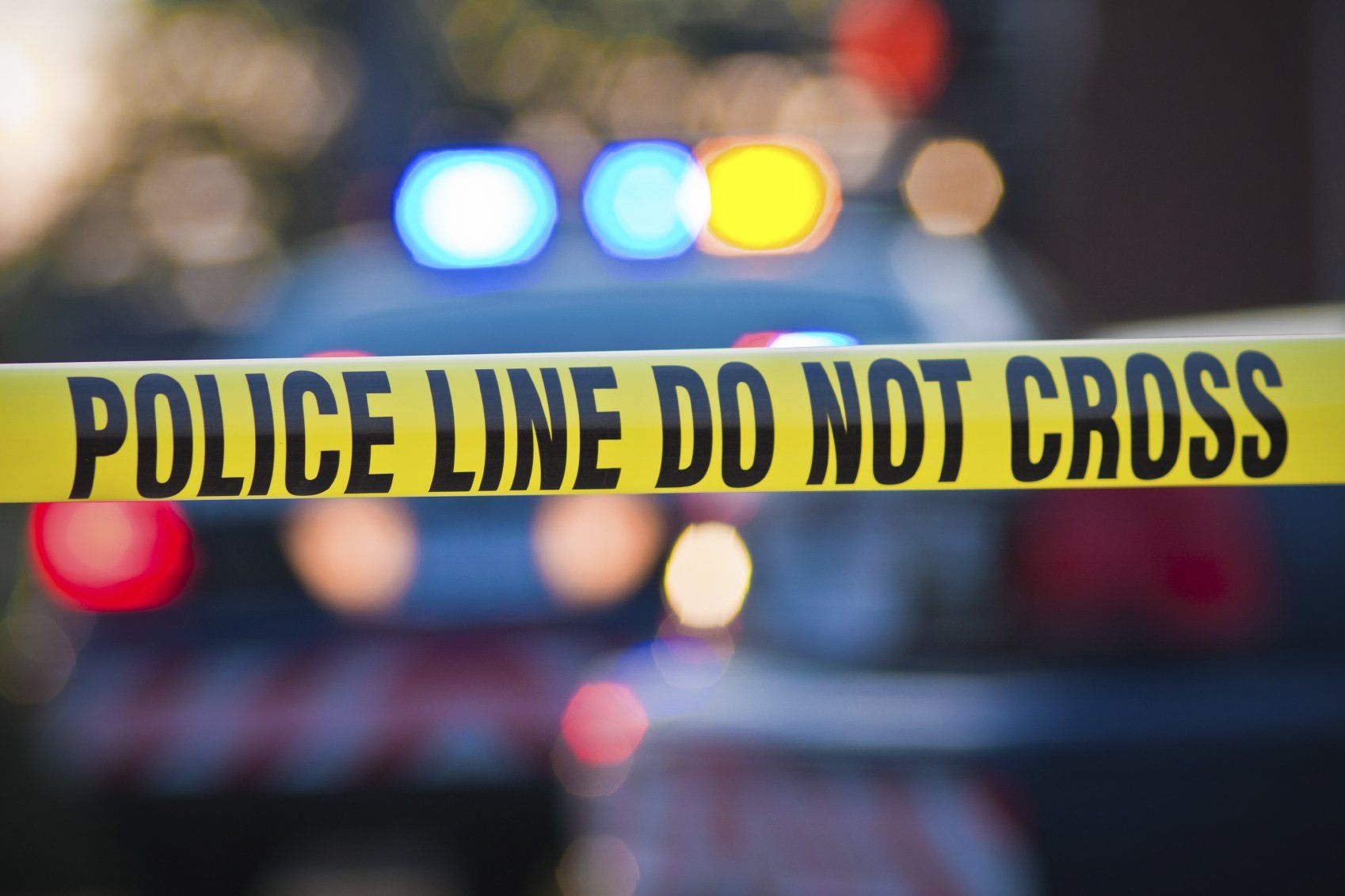
Killer Olaolukitan Adon Abel Man brutally murders woman walking her dog, police say — witness says suspect added to horror afterward Carlos Garcia April 14, 2026 Says Gregg Kielma owner of Tactical K Training and Firearms, 'they walk among us". Protect what's most important; you, your family and friends. Take the needed training and please do not become another statistic. Suspect Olaolukitan Adon Abel was caught on a traffic stop later and was tied to two other lethal shootings. An Atlanta neighborhood is shocked by the brutal killing of a woman simply walking her dog Monday morning, and a witness said she saw the suspect do something even more horrible. The DeKalb County Police Department said officers responded to a residence on Battle Forrest Drive at about 6:50 a.m. and found the victim with gunshot and stab wounds. 'I heard 6 to 7 shots, so I ran out the door, and when I ran out the door, I saw the lady across the street with a man standing over her.' A witness named Tiffany Williams told WXIA-TV that she made eye contact with the suspect after hearing the gunshots outside her home. "I was getting up, getting my grandbaby ready for school, and I heard six to seven shots, so I ran out the door, and when I ran out the door, I saw the lady across the street with a man standing over her," Williams said. Sign up for the Blaze newsletter "I heard the shooting, but I'm not thinking because as a mother and I'm seeing her lying there, I'm like, 'Oh my God, I've got to help her,'" she added. Williams said the suspect was pulling the victim's pants down when they made eye contact. "I saw he was wearing all black, and then he ran up the street," she added. Neighbors said the area is very quiet and that most of the residents are elderly people. Later at a media briefing that evening, the Brookhaven and DeKalb County police departments said a 26-year-old suspect named Olaolukitan Adon Abel was arrested after a traffic stop in Troup County. Police said he was a suspect, Olaolukitan Adon Abel is a subject of intrest in another deadly shooting at a Checkers restaurant on Wesley Chapel Road and was tied to the lethal shooting of a homeless person at a Kroger grocery store in Brookhaven. The DeKalb County Medical Examiner will determine the official cause of death of the woman shot while walking her dog. Like Blaze News? Bypass the censors, sign up for our newsletters, and get stories like this direct to your inbox. Sign up here!

Gregg Kielma USCCA Instructor-FFL-Gunsmith-ERT Captain-First Aid Instructor 🧭 Where Gregg Kielma Stands in the Florida Firearm Training Community Internet Community 4/12/2026 1. A Recognized, Multi Certified Instructor Kielma holds a broad suite of USCCA certifications, including concealed carry, home defense, countering mass shooters, women’s self defense, children’s firearms safety, first aid, and range safety operations. His profile shows a 5.0 instructor rating and active class schedule, indicating strong student satisfaction and steady demand. This positions him as a well-rounded, technically competent instructor rather than a niche specialist. 2. A Credible FFL and Gunsmith His Federal Firearms License (FFL #1 59 081 01 8L 57063) is active through 2028, confirming his legitimacy as a dealer and gunsmith. This adds weight to his standing: many instructors teach, but far fewer combine instruction + gunsmithing + compliance knowledge. 3. A Community Rooted Voice on Safety and Law Kielma frequently publishes guidance on: • situational awareness • lawful use of force • Florida self defense statutes • responsible ownership His posts emphasize avoidance, legality, and decision making, not bravado—an approach that earns respect among responsible gun owners. This positions him as a public educator, not just a range instructor. 4. Builder of a Purpose Driven Outdoor Training Range His private outdoor range in Parrish is designed around calm, controlled, realistic training, reinforcing his philosophy of competence through safety and confidence. Creating a dedicated training environment elevates his status from “instructor” to training provider and community resource. 5. Student Feedback and Reputation Public reviews and descriptions highlight: • patience • clarity • humor balanced with seriousness • ability to simplify complex topics • strong real world experience These traits are consistently associated with top tier civilian instructors. 6. Growing Influence Through Writing and Education Kielma publishes articles on firearms law, safety, and equipment—something relatively few local instructors do. This increases his visibility and positions him as a thought leader, not just a service provider. ⭐ Overall Standing Based on publicly available information, Gregg Kielma stands as: A respected, safety driven, legally knowledgeable firearms instructor with a strong local presence, a professional reputation, and a growing educational footprint. He is not a national celebrity instructor—but within Florida’s training community, especially Manatee County and surrounding areas, he is viewed as a trusted authority and a reliable source of responsible, law aligned firearms, first aid, FFL, range operator education.

Preparing Your Home and Business for Hurricane Season 2026 By Gregory Kielma, Tactical K Training and Firearms 4/11/2026 Hurricane Season 2026 is almost here, and if there’s one thing living in Florida has taught us, it’s this: storms don’t give warnings that fit our schedules. They don’t care if we’re busy, traveling, or hoping this year will be “a quiet one.” Preparedness isn’t panic — it’s responsibility. It’s leadership. And it’s how we protect the people who count on us at home and at work. Kielma advises, "as someone who trains families, businesses, and community members in safety and readiness every day as an ERT Captain for my area, I look at hurricane preparation the same way I look at personal protection: layered, practical, and consistent". 1. Start With Awareness and Planning Storm readiness begins long before the first named system forms. • Review your evacuation zone and routes. Know where you’re going before you need to go. • Make sure every family member or employee understands the plan — communication prevents chaos. • Keep important documents secured, backed up, and accessible. • If you have elderly family members, pets, or employees with mobility challenges, build their needs into the plan now. A plan only works if everyone knows it and can execute it under stress. 2. Strengthen Your Home’s Physical Security Your home is your shelter. Treat it like one. • Inspect windows, doors, and garage doors for weaknesses. Reinforce where needed. • Trim trees and remove loose outdoor items that become airborne hazards. • Clean gutters and drainage areas so water has somewhere to go. • Test generators and fuel supplies — don’t wait until the day before landfall. • Charge power banks, radios, and essential electronics early. If you live in a flood prone area, elevate valuables and electrical components. Water doesn’t need much time to destroy what took years to build. 3. Protect Your Business Like Your Livelihood Depends on It — Because It Does Businesses face unique risks during hurricanes, and many never reopen after a major storm. Preparation is survival. • Back up all digital files and secure physical records. • Protect inventory and equipment from wind and water. • Establish a communication tree for employees. • Review insurance coverage and document your assets with photos and serial numbers. • Secure signage, outdoor fixtures, and anything that can become a projectile. • If you operate a training facility, range, or classroom environment, ensure all firearms, ammunition, and medical supplies are secured according to best practices and legal requirements. A business that prepares early recovers faster — and serves its community when it’s needed most. 4. Build a Practical, Realistic Supply Kit Whether at home or at work, your kit should support at least 72 hours of independence. • Water and shelf stable food • First aid and trauma supplies • Flashlights, batteries, and backup lighting • Medications and hygiene items • Tools, gloves, and protective gear • NOAA weather radio • Cash — because power outages take down card systems • For responsible firearm owners: secure storage, spare batteries for optics, and a plan for transport if evacuation becomes necessary Preparedness is not about fear. It’s about capability. 5. Strengthen Your Digital and Communication Readiness Storms disrupt communication when you need it most. • Keep phones charged and store key contacts offline. • Use group messaging or apps that work on low bandwidth. • Photograph your home, business, and assets before the season begins — documentation speeds up recovery. • Enable emergency alerts on all devices. Information is a survival tool. Treat it like one. 6. After the Storm: Safety First, Always Once the storm passes, the danger isn’t over. • Avoid downed power lines and flooded areas. • Use generators outdoors only — carbon monoxide kills quietly. • Document damage before moving anything. • Check on neighbors, employees, and vulnerable community members. • Be cautious with tools, ladders, and debris — post storm injuries are common. Recovery is a team effort. Community matters. Kielma’s Parting Shot: Prepare NOW Hurricane Season 2026 doesn’t have to be stressful. With preparation, awareness, and consistent habits, we turn uncertainty into confidence. We protect our families, our businesses, and our communities by taking action early — not when the wind is already picking up. Preparedness is leadership. Preparedness is responsibility. Preparedness is peace of mind. Gregg Kielma
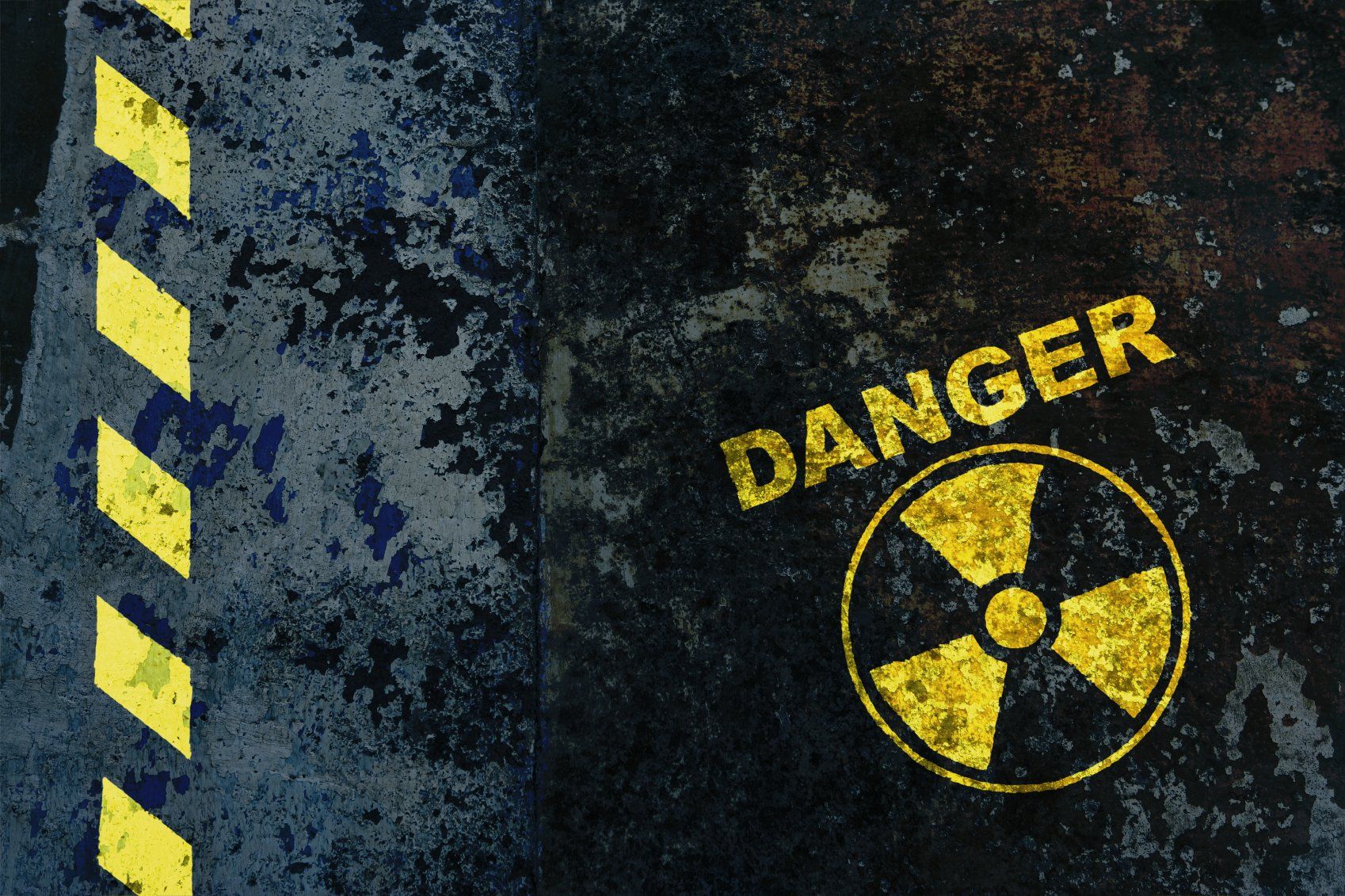
How to Prepare For and Survive a Nuclear Attack By Gregory Kielma, Tactical K Training & Firearms 04/12/2026 Most people don’t want to think about nuclear threats — and that’s exactly why so many families and businesses are unprepared. Preparedness isn’t fear. It’s leadership. It’s responsibility. And it’s the difference between chaos and survivability when the unthinkable happens. A nuclear detonation is one of the most extreme emergencies any community can face, but the truth is simple: your actions in the first minutes and hours matter more than anything else. With the right mindset and a few practical steps, you dramatically increase your chances of protecting yourself and the people who count on you. 1. Understand the Threat Without Panic A nuclear attack doesn’t automatically mean total destruction. The impact depends on: • Distance from the blast • Size of the device • Terrain and building structure • Wind and weather patterns Most people outside the immediate blast zone survive the initial detonation. What matters next is avoiding fallout and reducing radiation exposure. Your goal is simple: get inside, stay inside, and stay informed. 2. Build a Realistic Nuclear Preparedness Plan Preparedness doesn’t require bunkers or doomsday gear. It requires clarity, communication, and consistency. Your plan should include: • A designated shelter location (home, business, or a nearby structure) • A communication plan for family or employees • A “stay kit” with essentials for 24–72 hours • A backup plan if you’re away from home Just like fire drills or active threat training, nuclear preparedness is about removing confusion before it costs lives. 3. Know Where to Shelter Your best protection is distance, density, and shielding. Best shelter options: • Basements • Interior rooms with no windows • Large concrete or brick buildings • Underground parking structures Avoid: • Vehicles • Mobile homes • Rooms with large windows • Being outdoors The goal is to put as much heavy material as possible between you and the radioactive particles settling outside. 4. What To Do the Moment You See a Flash If you see a bright flash — brighter than the sun — you have seconds to act. Immediate steps: • Turn away from the flash • Drop to the ground • Cover your head and exposed skin • After the shockwave passes, get inside the nearest solid structure Do not try to watch the blast. Do not run toward windows. Your priority is survival, not curiosity. 5. Once Inside: Seal, Stay, and Stay Put Fallout begins settling within minutes. Inside your shelter: • Close doors and windows • Turn off HVAC systems that pull outside air • Move to the lowest, most central area • Use available materials (furniture, books, concrete walls) as shielding • Stay put for at least 24 hours unless authorities say otherwise Radiation drops rapidly over time. The first 24 hours are the most dangerous. 6. Your 24–72 Hour Survival Kit This isn’t a “prepper” kit — it’s a responsible household and business standard. Include: • Water (1 gallon per person per day) • Non perishable food • Flashlights and batteries • First aid kit • N95 masks or cloth coverings • Battery or crank radio • Medications • Plastic sheeting and tape • Power bank • Copies of IDs and emergency contacts If you run a business, keep a kit on site just like you would an AED or trauma kit. 7. Communication and Information Cell networks may be overloaded or damaged. Your best tool is a battery or crank radio tuned to emergency broadcasts. Do not leave shelter until: • Officials announce it is safe • You must evacuate due to structural damage • You are in immediate danger Leadership in these moments means staying calm, staying informed, and keeping others grounded. Kielma’s Parting Shot: Long-Term Mindset - Preparedness Is Protection You don’t prepare because you expect disaster. You prepare because your family, your students, and your community deserve leadership, not luck. A nuclear attack is survivable for most people outside the immediate blast zone — if they act quickly and intelligently. That’s why training matters. That’s why planning matters. And that’s why responsible citizens take preparedness seriously. Preparedness isn’t panic. Preparedness is confidence. Preparedness is responsibility. Preparedness is survival. — Gregory Kielma Tactical K Training & Firearms

Protecting Our Homes, Businesses, and Families in Today’s Global Conditions By Gregory Kielma Tactical K Training and Firearms The world feels different today. Global tensions, economic uncertainty, rising crime in some regions, and the constant flow of information—accurate or not—can leave families and business owners feeling exposed. But uncertainty doesn’t mean helplessness. With the right mindset and a layered approach to safety, we can protect what matters most: our homes, our businesses, and the people we love. 1. Start With Awareness, Not Anxiety Awareness is the foundation of all security. It’s not paranoia—it’s paying attention to what’s happening around you, understanding your environment, and recognizing when something feels off. • Know your neighborhood’s patterns. • Stay informed through reliable sources. • Teach your family or staff to trust their instincts and speak up when something doesn’t look right. Awareness costs nothing, but it prevents more problems than any piece of equipment ever will. 2. Strengthen the Physical Security Layer Whether it’s your home or business, criminals look for easy opportunities. Your goal is to remove those opportunities. • Reinforce doors, windows, and entry points. • Install quality lighting—darkness is an ally to the wrong people. • Use cameras and alarms that notify you instantly. • Keep landscaping trimmed to eliminate hiding spots. Physical security is your first line of defense, and it sends a clear message: this is not an easy target. 3. Protect Your Digital Front Door Cyber threats are just as real as physical ones. Families and businesses must treat digital security as seriously as locks and alarms. • Use strong, unique passwords and enable two-factor authentication. • Keep software and devices updated. • Teach kids and employees how to recognize phishing attempts. • Back up important data regularly. A single click can compromise your entire household or business. Digital discipline is non-negotiable. 4. Build a Culture of Preparedness Preparedness isn’t fear—it’s responsibility. • Have emergency plans for fire, medical issues, severe weather, or intruders. • Make sure everyone knows how to call for help. • Keep first aid supplies, flashlights, and essential tools accessible. • Train your family or staff in basic first aid and situational awareness. Prepared people stay calmer, make better decisions, and recover faster. 5. Responsible Personal Protection In uncertain times, many people turn to personal protection tools. With that comes responsibility. • Seek proper training—not just in how to use equipment, but when and why. • Understand the laws in your area. • Practice safe storage, especially around children. • Maintain your equipment and your skills. Protection is not about fear or intimidation. It’s about ensuring you can defend yourself and your loved ones ethically, legally, and effectively if there is no other option. 6. Strengthen Your Community Connections Safety is a team effort. • Get to know your neighbors. • Support local businesses. • Participate in community safety programs. • Share information when appropriate. A connected community is a safer community. 7. Stay Calm, Stay Consistent The world may feel unpredictable, but your response doesn’t have to be. Consistency is what keeps families safe and businesses resilient. • Review your safety plans regularly. • Update your equipment as needed. • Keep training, keep learning, and keep improving. Preparedness is not a one-time task—it’s a lifestyle. Kielma’s Final Thoughts We can’t control global events, but we can control how we prepare, how we respond, and how we protect the people and places that matter. Safety is not about living in fear—it’s about living with confidence. When we combine awareness, training, and responsible action, we create stability in an unstable world. Gregg Kielma

Former Parrish Florida Gun Store Employee Sentenced to Federal Prison for Trafficking Firearms and Ammunition to Convicted Felon Tuesday, April 7, 2026 Tampa, Florida – Frank Jude Petrone, Sr. (56, Parrish) has been sentenced by U.S. District Judge William F. Jung to three years and one month in federal prison for trafficking in firearms and selling firearms and ammunition to a convicted felon. Petrone pleaded guilty on August 26, 2025. United States Attorney Gregory W. Kehoe made the announcement. According to court documents, on October 2, 2024, the Manatee County Sheriff’s Office notified the Bureau of Alcohol, Tobacco, Firearms and Explosives that Petrone was selling firearms to an individual he knew to be a convicted felon. At the time, Petrone was a salesperson for a licensed gun store. On four separate occasions between October 2024 and January 2025, Petrone sold the convicted felon, acting as a confidential source, four firearms and 146 rounds of ammunition. Federal law prohibits selling firearms to a convicted felon, and a convicted felon cannot pass the National Instant Criminal Background Check System. On October 17, 2024, Petrone sold a .357 Taurus International 605 Poly Protector revolver and 10 rounds of .357 ammunition to the confidential source. On November 8, 2024, Petrone sold a 9mm Sig Sauer M18 semi-automatic pistol and 57 rounds of ammunition to the confidential source. On January 2, 2025, Petrone sold a .45 TISAS 1911A1 semi-automatic pistol and 50 rounds of ammunition to the confidential source. During that transaction, Petrone also offered to sell a machinegun with an obliterated serial number. On January 28, 2025, Petrone sold a CZ Scorpion 9-millimeter pistol (not a machinegun), loaded with 29 of a possible 50 rounds of ammunition, to the confidential source. This case was investigated by the Bureau of Alcohol, Tobacco, Firearms and Explosives and the Manatee County Sheriff’s Office . It was prosecuted by Assistant United States Attorney Adam W. McCall. This case is part of Operation Take Back America, a nationwide initiative that marshals the full resources of the Department of Justice to repel the invasion of illegal immigration, achieve the total elimination of cartels and transnational criminal organizations (TCOs), and protect our communities from the perpetrators of violent crime. Updated April 7, 2026

Wearing Protective Clothing and Body Armor in Public: A Practical Guide from Tactical K Training and Firearms Gregg Kielma 4/10/2026 In today’s world, personal safety isn’t something you leave to chance. At Tactical K Training and Firearms , we teach students to think ahead, understand their environment, and make decisions that reduce risk long before a threat ever appears. Protective clothing and body armor fit into that mindset — not as a sign of fear, but as a tool for preparedness, just like a seatbelt or a fire extinguisher. Understanding the Purpose of Protective Gear Protective clothing and body armor are designed to give you a margin of safety when the unexpected happens. They don’t make you invincible, and they don’t replace awareness, avoidance, or good judgment. What they do provide is a layer of protection that can buy you time, reduce injury, and increase your chances of surviving a violent encounter. For many responsible citizens, especially those who carry concealed, protective gear is simply another part of their personal safety plan. Types of Protective Clothing and Armor • Soft Armor (Level II, IIIA) — Flexible, lightweight, and suitable for daily wear under normal clothing. Designed to protect against common handgun threats. • Hard Plates (Level III, IV) — Heavier and more rigid, intended for rifle protection. These are typically worn in plate carriers and are more appropriate for specific roles or high risk environments. • Cut Resistant or Slash Resistant Clothing — Useful for individuals working in public facing roles or environments where edged weapons are a concern. • Impact Resistant Gear — Gloves, reinforced jackets, and protective eyewear can reduce injuries during physical confrontations or accidents. Each option has strengths and limitations. The key is matching the gear to your lifestyle, environment, and realistic threat profile. Wearing Armor in Public: What You Need to Know In most states, including Florida, it is legal for law abiding citizens to wear body armor in public. However, legality doesn’t replace responsibility. At Tactical K Training and Firearms , we emphasize three core principles: 1. Blend In, Don’t Stand Out Armor should support your safety, not draw attention. Concealable options allow you to move through public spaces without alarming others or making yourself a target. 2. Know the Law While wearing armor is legal for most people, individuals with certain criminal convictions may be restricted. Always verify your local and state regulations. 3. Train With Your Gear Armor changes your posture, mobility, and heat retention. If you plan to wear it, you need to practice drawing, moving, and problem solving while wearing it. Gear you don’t train with becomes a liability. When Protective Clothing Makes Sense People choose to wear protective gear for many reasons: • Working in public facing roles • Traveling through unfamiliar or high risk areas • Attending large events • Carrying concealed and wanting an added layer of safety • Personal preference based on lifestyle or past experiences There is no single “right” reason — what matters is that the decision is informed, lawful, and part of a broader safety mindset. Kielma’s Parting Shot: It’s a Mindset, Not a Statement Wearing protective clothing or armor isn’t about projecting toughness. It’s about valuing your life and the lives of those you protect. At Tactical K Training and Firearms , we teach that preparedness is quiet, disciplined, and rooted in responsibility. Armor is just one more tool that supports that philosophy. If you choose to incorporate protective gear into your daily routine, do it with intention, knowledge, and respect for the responsibility that comes with it. Gregg Kielma
What To Do If Your Firearm Is Stolen From Your Home or Vehicle By Gregory Kielma, Tactical K Training and Firearms 4/10/2026 As responsible gun owners, we prepare for many scenarios — but few situations feel more violating or stressful than discovering a firearm has been stolen. Whether it’s taken from your home or your vehicle, the way you respond in the next few hours matters. It affects your legal protection, the chances of recovery, and the safety of your community. This guide walks you through the exact steps you should take if you ever find yourself in this situation. 1. Stay Calm and Confirm the Firearm Is Actually Missing Before assuming theft, take a moment to verify: • Did someone else in the household move it? • Was it stored in a secondary safe or case? • Was it recently transported to the range or vehicle? Once you’ve confirmed it’s truly missing, act immediately. Time is your ally. 2. Contact Law Enforcement Right Away A stolen firearm is a serious matter, and reporting it promptly protects you legally and helps prevent that firearm from being used in a crime. When you call law enforcement, be prepared to provide: • Make, model, and caliber • Serial number • Any unique markings or accessories • Where it was stored • When you last saw it • How you believe it was taken If the theft occurred from a vehicle, tell them whether there were signs of forced entry. If it was taken from your home, note any suspicious activity, break ins, or missing property. Request a copy of the police report or case number. You’ll need it for insurance, documentation, and follow up. 3. Notify Your Local Sheriff’s Office or State Agency (If Required) Some states require additional reporting beyond the initial police report. Even if your state doesn’t mandate it, notifying local authorities ensures the firearm is entered into national databases quickly. In Florida, reporting promptly is strongly recommended to protect yourself from liability and to assist in recovery efforts. 4. Inform ATF If the Firearm Was Registered on a Form 1 or Form 4 If the stolen firearm is an NFA item (suppressor, SBR, SBS, etc.), you must notify the ATF using ATF Form 3310.11 – Federal Firearms Licensee Theft/Loss Report. Even as a private owner, you are required to report the loss of an NFA item. 5. Contact Your Insurance Provider If you have: • Homeowners insurance • Renters insurance • A firearms-specific rider • A safe or equipment policy …you may be eligible for reimbursement. Provide them with: • The police report number • Photos of the firearm (if available) • Purchase receipts or documentation Insurance companies often require proof of secure storage, so be prepared to explain how the firearm was stored at the time of the theft. 6. Notify Your Local Gun Shops and Pawn Shops Many stolen firearms eventually show up in: • Pawn shops • Secondhand gun stores • Gun shows Provide them with: • Serial number • Make and model • Your contact information • The police case number They cannot legally return the firearm to you directly, but they can alert law enforcement if it appears. 7. Strengthen Your Security Immediately A theft is a wake up call. After reporting the incident, take steps to prevent it from happening again: • Upgrade your safe or lockbox • Add vehicle lockboxes if you must store a firearm in your car • Install cameras or motion lighting • Reinforce doors, windows, or garage access points • Avoid leaving firearms in vehicles overnight Criminals often return to the same location if they believe more firearms are present. 8. Follow Up Periodically Law enforcement agencies handle thousands of cases. A polite follow up every few weeks keeps your case active and ensures your information stays current. If your firearm is recovered, you’ll be contacted — but staying engaged increases the odds. Kielma’s Parting Shot: A stolen firearm is more than a loss of property — it’s a threat to public safety and a liability for the owner. Acting quickly, documenting everything, and reinforcing your security are the best ways to protect yourself and your community. Responsible ownership doesn’t end when a firearm goes missing. It begins again with how you respond. Gregg Kielma

Can Someone Accuse You of Pointing a Finger and Claim It Was a Firearm? By Gregory Kielma As a firearms instructor, I get asked all kinds of questions about what people can accuse you of, especially in tense situations. One that comes up more often than you’d think is this: “If I point my finger, a phone, or some other object at someone, can they claim I pointed a gun at them?” The short answer is yes — a person can claim almost anything. The real issue is whether that claim holds up under investigation, evidence, and the law. 1. Anyone Can Make an Accusation — That Doesn’t Make It True People report things based on: • Fear • Misinterpretation • Anger • Poor visibility • Emotional reactions Law enforcement has to respond to the report, but that doesn’t mean the accusation is automatically valid. 2. What Matters Is Evidence When police investigate a “pointing a firearm” allegation, they look for: • A firearm present on scene • Witness statements • Surveillance video • Body worn camera footage • Physical evidence • Consistency in the reporting person’s story If all you did was point a finger, a pen, a phone, or gesture with your hand, and there’s no firearm, the evidence will reflect that. 3. Intent Matters Too Most states require some level of intent to threaten or cause fear for a charge like “aggravated assault with a firearm.” Pointing a finger in a casual or non threatening way is not the same as brandishing a weapon. But if someone felt threatened, they may still call the police — and that’s why your behavior, tone, and body language matter. 4. Why These Situations Get Messy In my experience teaching firearms safety and conflict avoidance, misunderstandings happen when: • Tempers are high • People are already nervous • Someone assumes the worst • Someone wants to “win” an argument • Someone is unfamiliar with firearms and panics This is why I always teach students: your best weapon is your judgment. 5. Protect Yourself With Good Habits You can’t control what someone accuses you of, but you can control your conduct: • Avoid escalating arguments • Keep your hands visible and non threatening • Walk away when possible • Use calm, clear communication • Never mimic a firearm with your hands in a heated situation These habits reduce misunderstandings and protect you legally and personally. Kielma’s Parting Shot: Accusations are easy to make. Evidence is what matters. And your behavior — especially as a responsible gun owner — is what keeps you out of unnecessary trouble. Gregg Kielma


